-
 November 18: The Week in Cancer News
Vaccine helps people with brain cancer live longer, and kidney cancer patients see results from off-the-shelf CAR T-cell therapy.
by Thomas Celona
-
 November 11: The Week in Cancer News
California passes ballot initiative banning flavored tobacco products, and the FDA approves combination treatments for lung cancer.
by Kevin McLaughlin
-
 November 4: The Week in Cancer News
Female patients less likely than men to be told about sexual side effects of treatment, and independent analysis finds cancer-causing chemical in dry shampoo.
by Marci A. Landsmann
-
 October 28: The Week in Cancer News
Clinical trial finds select breast cancer patients can forgo surgery, and cancer organizations warn of growing e-cigarette use among teens.
by Thomas Celona
-
 October 21: The Week in Cancer News
Chemical hair straightening is associated with higher uterine cancer risk, and gas stoves can leak chemicals linked to cancer.
by Eric Fitzsimmons
-
 October 14: The Week in Cancer News
Colonoscopy study results are misreported, and progress is seen in cancer vaccines.
by Kevin McLaughlin
-
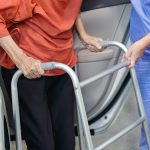 October 7: The Week in Cancer News
Transportation barriers increase risk of death for people with cancer, and new rules go into effect to give patients full access to medical records.
by Marci A. Landsmann
-
 September 30: The Week in Cancer News
Firefighters face increased cancer risk due to exposure to ‘forever chemicals,’ and cancer-related fatigue can put breast cancer survivors at risk for falls.
by Thomas Celona
-
 September 23: The Week in Cancer News
AACR Cancer Progress Report 2022 shows continued decline in cancer death rates, and genetic tests create opportunities but also confusion for breast cancer patients.
by Eric Fitzsimmons
-
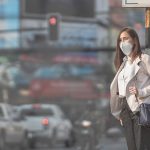 September 16: The Week In Cancer News
Air pollution research provides clues to how cancer starts, and KRAS-targeting drug appears to keep cancer at bay longer than standard of care, but questions remain
by Marci A. Landsmann
The ‘Your Friends & Neighbors’ actress explains how her diagnosis challenged many of her assumptions about breast cancer.
by Darlene Dobkowski
Why I Participated in a Clinical TrialWhen doctors told Yvonne McLean Florence she was eligible to participate in a research trial testing an experimental drug, she joined. She wants more people to have the same opportunity.
by Yvonne McLean Florence
Targeted Therapy Improves Pancreatic Cancer SurvivalA recently approved drug that targets RAS proteins meaningfully improves outcomes for people with this difficult-to-treat cancer.
by Sandra Gordon
Bring On the WavesA surfer’s love for the ocean guides her through breast cancer treatment and beyond.
by Cameron Walker
-
 AACR OMB Statement and Call to Action
The AACR is deeply concerned that proposed OMB regulations would disrupt federal research grant giving, severely weakening a program that has supported American medical innovation for decades.
-
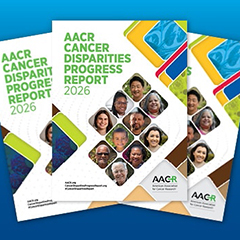 AACR Cancer Disparities Progress Report
The AACR Cancer Disparities Progress Report 2026 highlights recent progress in reducing cancer disparities and emphasizes the continued need for transformative research.
Cancer Research at a Crossroads
