IN JULY 2012, I FELT an unusual lump in my armpit while doing my usual breast exam. At the time, I was not alarmed, but I knew I needed to set up an appointment to get it checked out. This appointment led to an ultrasound and biopsies. On July 12, my primary care doctor called me to share my test results. That day, I heard the words, “You have cancer.”
My husband and I met with the oncologist, who exuded calmness as she explained that I had stage III HER2-positive breast cancer. She went over the treatment plan that would include chemotherapy, surgery, radiation and targeted therapy. She also mentioned that I qualified for a clinical trial testing an experimental treatment called neratinib. If the treatment was found to shrink the cancer or get rid of it entirely, it could become standard care and help other women with my diagnosis. After my doctor explained the treatment, the risks, the purpose of the clinical trial, and what the researchers hoped to learn from it, I knew I wanted to participate.
However, my husband was not sold on the idea of me participating in the clinical trial, even saying that he didn’t want me to be “a guinea pig.” Once we were back home, my husband and I were able to have a more in-depth conversation. We talked about not knowing about the drug I would be taking and the possible negative impacts it could have. He felt we did not have enough information about neratinib or its effects on patients who took it, and he was concerned for my well-being. I admit I was a little worried about some of these risks, as well. However, when considering the potential benefit to myself and other women with breast cancer, I decided I still wanted to join the clinical trial. Eventually, my husband came around and said he would support my decision. With his blessing, I began the process of informed consent at the next appointment.
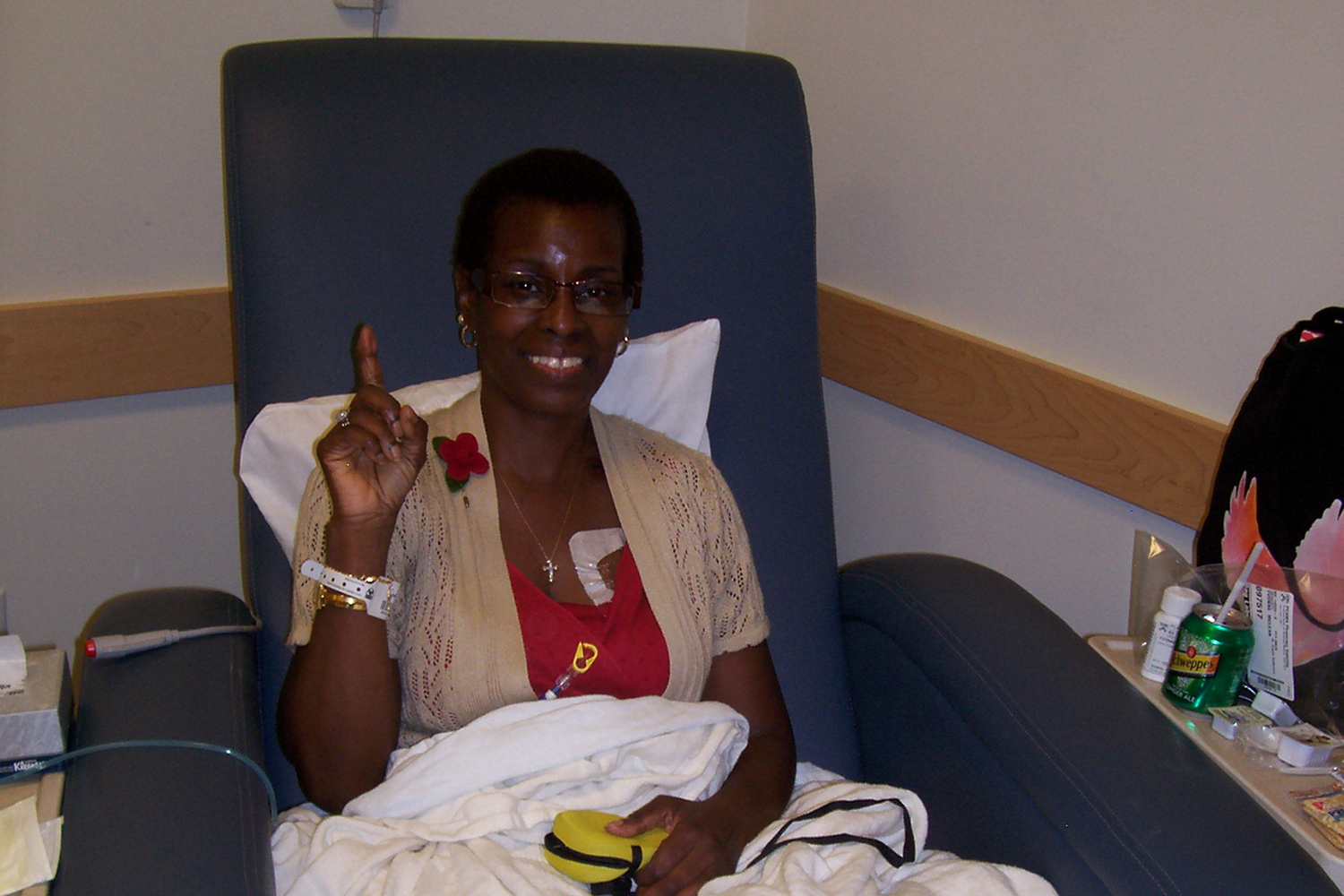
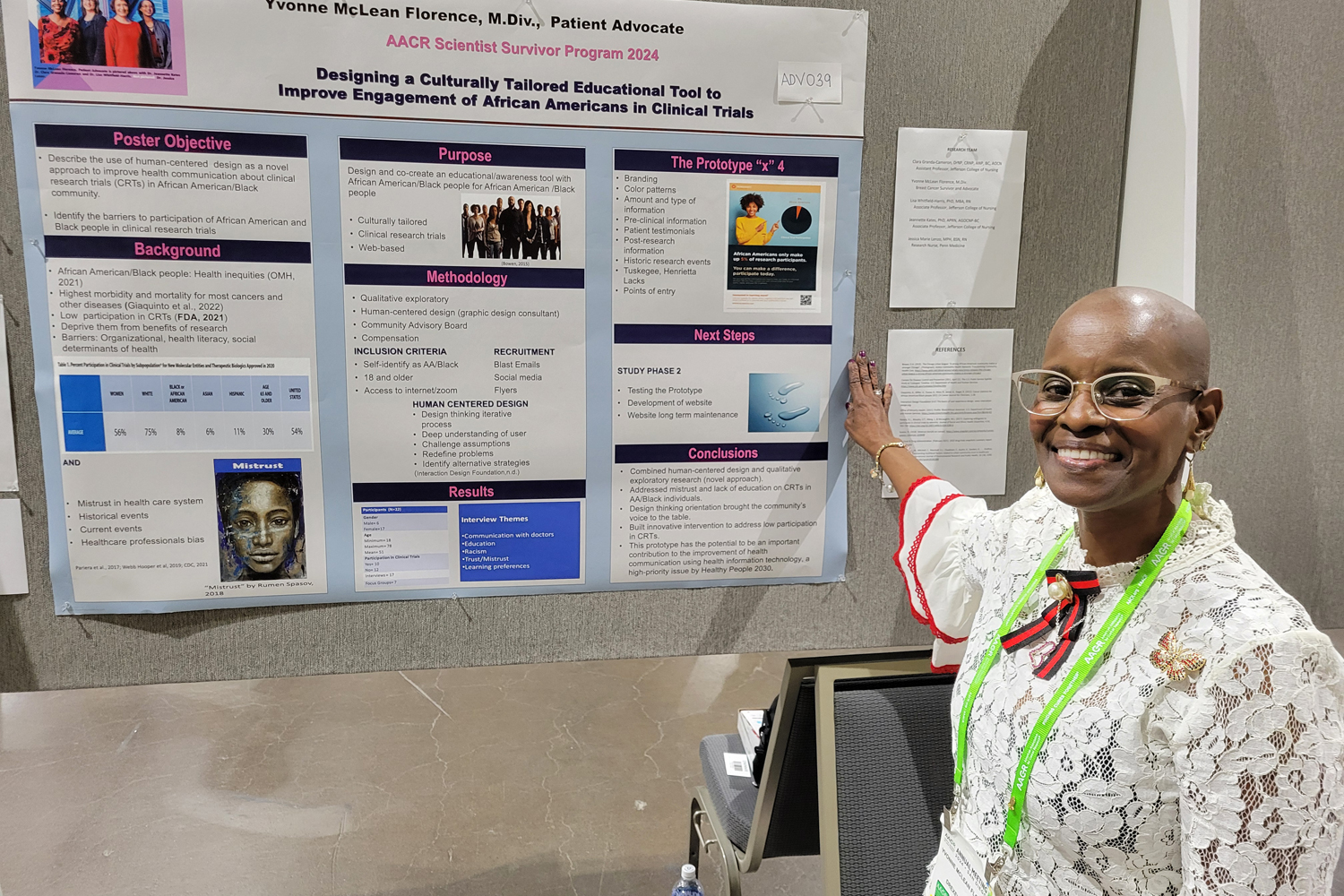
Yvonne McLean Florence joined a clinical trial after she was diagnosed with breast cancer in 2012. Photo courtesy of Yvonne McLean Florence
A few things went extremely well and some things did not go so well for me during the clinical trial. In the good column, a research coordinator helped me fill out consent paperwork and walked me through all additional tests, blood work and ongoing appointments. Not so good: As the investigators increased the drug dose, I began experiencing severe diarrhea, dehydration and fatigue, which made it difficult for me to eat, get out of bed, shower or dress myself. These side effects ultimately caused me to withdraw from the clinical trial. To this day, I appreciate how easy it was for me to withdraw my consent and go back to standard of care.
Although the side effects caused me to withdraw from the clinical trial, there was a silver lining. The research was promising enough in other women that the drug advanced to other clinical trials. In 2017, the Food and Drug Administration approved neratinib, under the brand name Nerlynx, as a treatment option for women diagnosed with early-stage HER2-positive breast cancer who had already completed treatment with a HER2-targeted treatment called trastuzumab.
After I completed all the treatments prescribed by my oncologist, I knew that I would have benefited from peer-to-peer support. Having a person by my side that experienced what I was going through would have been priceless. With the help of my family and friends, I established Sisters R Us Circle of Survivors. For nine years, the nonprofit organization supported women who were diagnosed, being treated and living beyond breast cancer.
My work with women through that organization, which dissolved in 2022, brought another light bulb moment: I discovered many of the women we were supporting through the organization, particularly Black women, were not asked to participate in a clinical trial, so I began sharing my experience about participating in the clinical trial. I elevated the patient’s lived experience and the voice of patients in clinical research by speaking about my experience during panel discussions. I connected with local, national and international organizations and served as a consumer reviewer for research grants. Through my work as a research advocate, I learned that about 4% of African Americans with cancer have participated in clinical trials—even though Black individuals make up 14% of the U.S. population. Through advocacy, education and sharing my story, I hope that more Black women will have the knowledge, access and courage to join clinical trials.
Cancer Today is proud to help people share their stories and connect with readers who may learn from them. If you are interested in sharing your story, email us at [email protected].
Cancer Today magazine is free to cancer patients, survivors and caregivers who live in the U.S. Subscribe here to receive four issues per year.