
PERIPHERAL NEUROPATHY, a common side effect of chemotherapy, can leave cancer survivors with painful “pins and needles” sensations and numbness in their feet or hands, as well as balance problems. But research suggests a new way to ease these symptoms: dancing the tango.
In a study published Nov. 25, 2024, in the Journal of Alzheimer’s Disease, researchers tested two interventions for breast cancer survivors treated with taxane-based chemotherapy, which often causes neuropathy. The 52 survivors were randomly assigned to either a home exercise program, which consisted of two 45-minute workouts per week, or tango classes. In twice-weekly 20-minute classes, survivors learned an adapted form of Argentine tango originally designed to help people with neurological conditions, such as Parkinson’s disease. In this approach, dancers concentrated on the placement of their feet, feeling sensations in their extremities, and swaying to the beat of the music. They also stayed in contact with a partner as they moved, which provided sensory information to aid balance and nerve function.
Moving For Life offers online and in-person dance classes specially designed for cancer survivors. Classes feature many forms of popular music, including samba, salsa, reggae, Motown and disco. The routines are created to boost energy, enhance balance, increase range of motion after cancer surgery, and improve focus following chemotherapy.
After eight weeks, survivors in both groups had improved dual-task function, which is the ability to think and move at the same time. However, people in the tango group could do so with less mental effort than those in the exercise group, says lead author Lise Worthen-Chaudhari, a physical medicine and rehabilitation researcher at Ohio State University in Columbus. Survivors also reported their peripheral neuropathy grew less severe after two weeks of either type of movement.
Survivors with peripheral neuropathy should look for AdapTango classes.
Cancer survivors with peripheral neuropathy should look for classes taught by instructors trained in adapted tango, which is also called AdapTango, says physical medicine and rehabilitation researcher Lise Worthen-Chaudhari. Survivors without adapted tango classes nearby can try a regular tango class, but Worthen-Chaudhari recommends dancing in flat shoes or socks instead of heels to help maintain contact with the floor and reduce fall risk.
“Tango is, at its most basic, simply walking with a partner,” Worthen-Chaudhari says. This may lead to “real-world walking improvements … for people with neuropathy.” Additionally, tango music’s brisk tempo can trigger entrainment, which is when brain activity synchronizes with an outside rhythm, Worthen-Chaudhari explains. This phenomenon helps the brain establish neural connections and learn new skills.
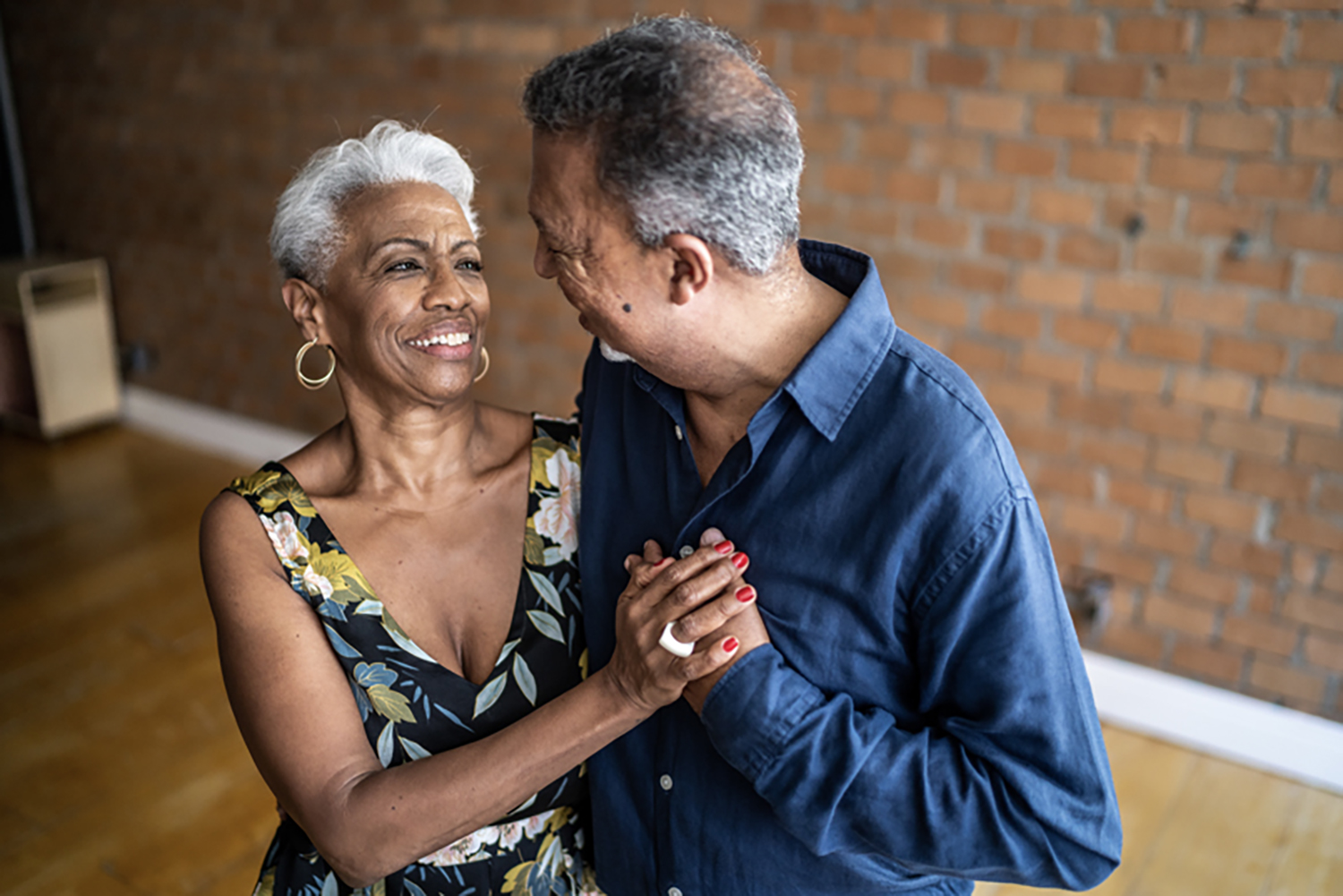
Photo by FG Trade / istockphoto.com
Working out can help alleviate peripheral neuropathy.
Physical activity can help ease symptoms of peripheral neuropathy, says Danielle Halsey, an exercise physiologist at IU Health Simon Cancer Center in Indianapolis. She suggests asking your oncologist for a referral to neuropathy-focused fitness classes, a qualified personal trainer, or a physical or occupational therapist. Be sure to describe your symptoms so these professionals can modify activities based on your needs, Halsey says.
The researchers recently expanded their study and plan to recruit 140 more breast cancer survivors to explore the mechanisms by which tango addresses neuropathy.
Worthen-Chaudhari says survivors also enjoyed that the activity feels like a fun night out while addressing the lingering effects of treatment. “There is hope that you can recover neural function,” she says.
Cancer Today magazine is free to cancer patients, survivors and caregivers who live in the U.S. Subscribe here to receive four issues per year.