
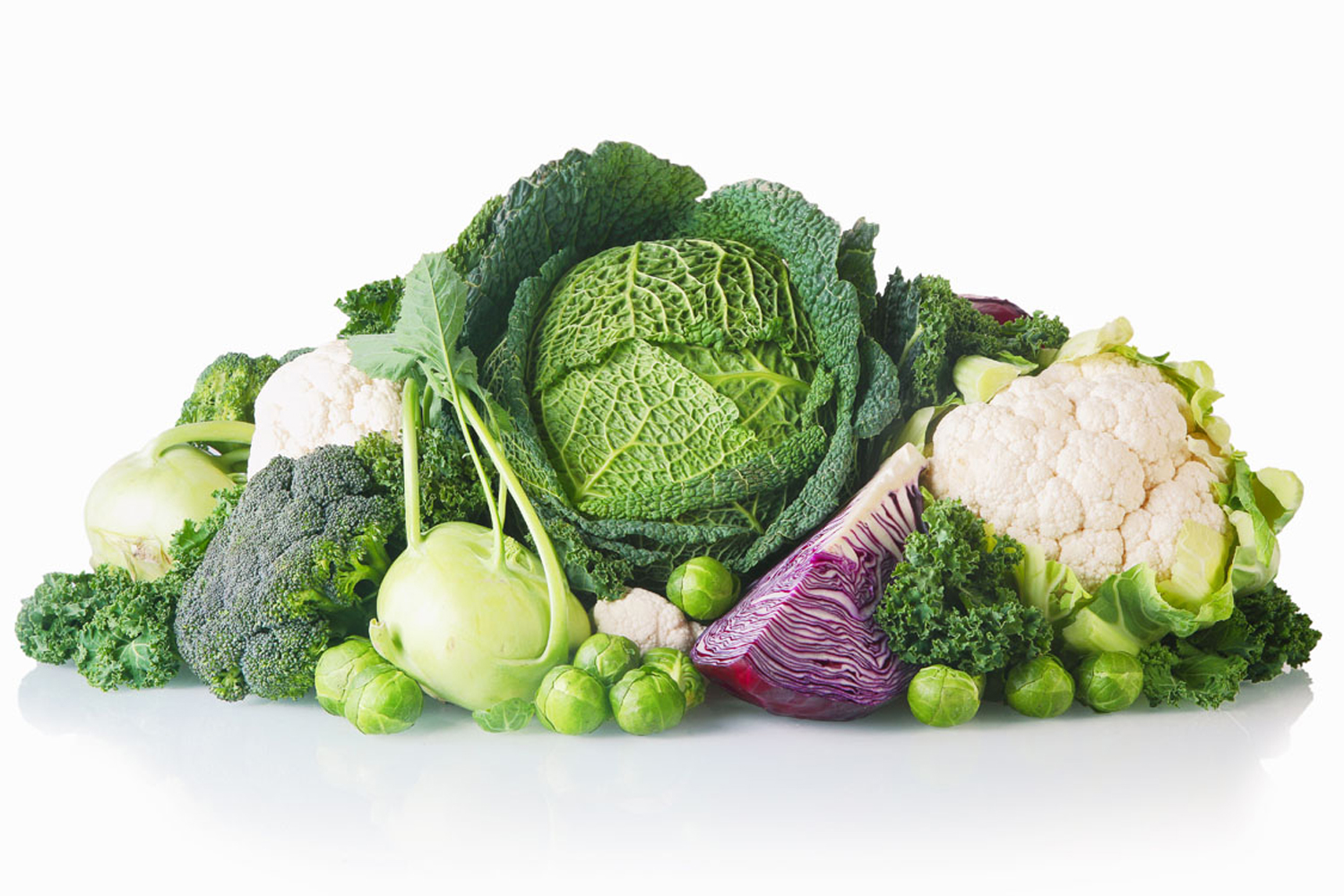
EATING BROCCOLI, cauliflower, Brussels sprouts and other cruciferous vegetables can be a powerful defense against colon cancer.
A review published Aug. 11, 2025, in BMC Gastroenterology analyzed results from 17 previously published studies where people completed questionnaires about how often they ate certain foods. Of the 639,539 participants, 97,595 developed colon cancer. The people who reported eating the most cruciferous vegetables had a 17% lower risk for colon cancer than those who ate the fewest. Researchers found people who reported eating between 40 and 60 grams of cruciferous vegetables daily had the lowest risk.
Named for the four-petaled flowers that resemble a cross on the plants that produce them, cruciferous vegetables include broccoli, cauliflower, arugula, cabbage, kale, Brussels sprouts and radishes. When they are cut or chewed, these vegetables produce sulfur-containing compounds, which have been shown to slow or stop cancer growth in lab and animal studies.
This recipe can help you incorporate more vegetables into your diet.
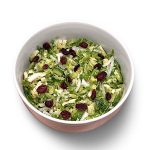
Add more cruciferous vegetables to your diet with this easy Brussels sprouts slaw recipe recommended by oncology dietitian Michela Palma:
- Using a knife or food processor, thinly slice 1 pound of Brussels sprouts and half of a small yellow onion. Mix the vegetables together in a large bowl.
- In a small bowl, combine ¼ cup extra-virgin olive oil, ¼ cup fresh lemon juice and 2 tablespoons grated pecorino cheese. Pour this mixture over the Brussels sprouts and onions, and stir well. Allow the vegetables to marinate in the refrigerator for several hours.
- Before serving, top the slaw with a sprinkle of dried cranberries and salted pine nuts.
“[These sulfur compounds may] help cells eliminate carcinogens and turn off certain growth-signaling pathways that cancer cells hijack to grow aggressively and in a disordered fashion,” says Suneel D. Kamath, a gastrointestinal oncologist at Cleveland Clinic Cancer Institute who was not involved in the study. Additionally, certain sulfur compounds from cruciferous vegetables can activate cell death pathways in precancers and cancer, he says.
The beneficial sulfur compounds in cruciferous vegetables produce a pungent aroma and bitter flavor, which can be unappetizing for some people. Oncology dietitian Michela Palma recommends either roasting or sautéing vegetables quickly or eating them raw, which both help reduce the sulfur odor. To mask their bitterness, add a touch of lemon or honey, or bold seasonings, such as garlic, turmeric or cumin.
The size of a 40- to 60-gram serving varies depending on the vegetable and whether it’s raw or cooked. In general, two cups of raw leafy cruciferous vegetables or half a cup of cooked vegetables can meet that daily goal. However, regularly adding these foods to meals is more important than individual serving size, according to Michela Palma, an oncology dietitian at Cleveland Clinic Cancer Institute who was not involved in the study. “Think of your diet like exercise. You must be consistent to achieve results,” she says.
Cancer Today magazine is free to cancer patients, survivors and caregivers who live in the U.S. Subscribe here to receive four issues per year.