Should I see a cardiologist during or after cancer treatment?
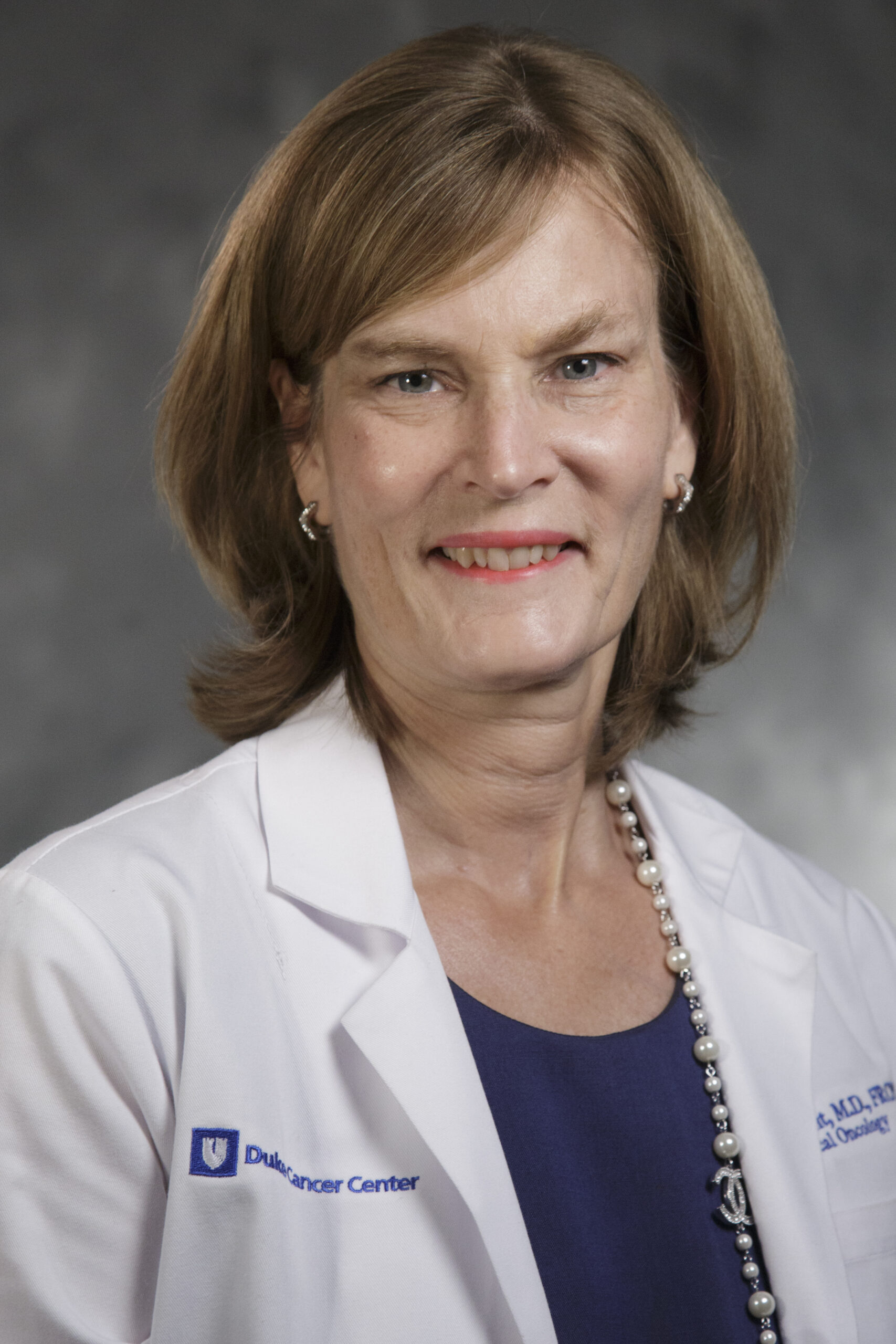
Susan Dent, medical oncologist at Wilmot Cancer Institute and director of cardio-oncology at the University of Rochester in New York
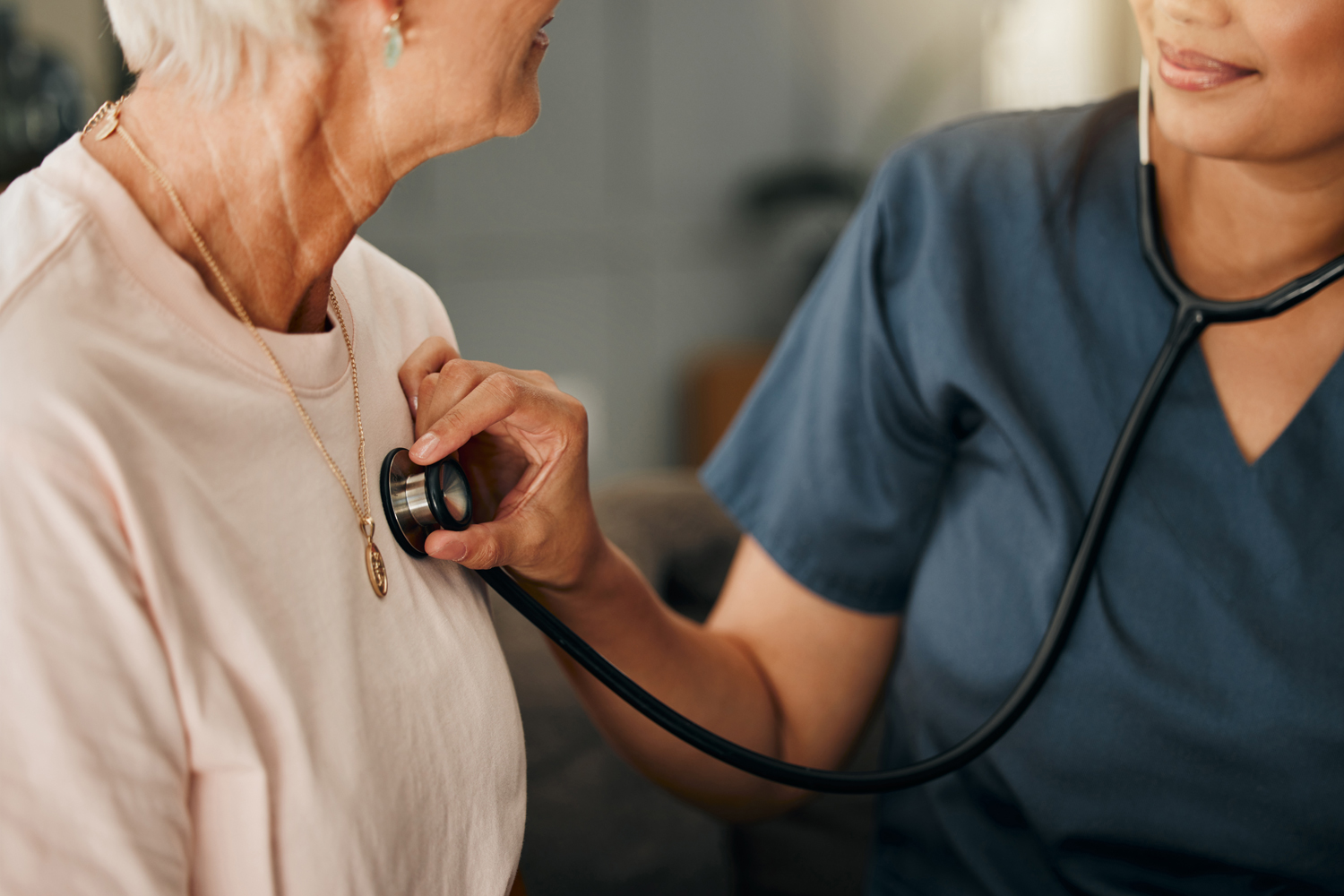
Various cancer therapies can negatively impact your cardiovascular health both during and after treatment. One study found cancer survivors have a 42% higher risk of developing cardiovascular disease than those without a cancer history.
How treatment could damage your heart depends on the specific drugs you receive. For instance, anthracyclines, which are chemotherapy drugs used for a wide range of cancers, can cause heart failure. Some targeted therapies for HER2-positive cancers, such as Herceptin (trastuzumab) or Perjeta (pertuzumab), can cause left ventricular dysfunction, which is defined as a drop in how well the heart squeezes.
Immunotherapies used to treat many advanced cancers can lead to heart inflammation, a condition called myocarditis. Radiation, particularly if it’s focused on the chest area, can cause blood vessels to become scarred and stiffen, which encourages plaque buildup. Radiation to the kidneys may cause blood vessels to narrow, leading to a type of high blood pressure called renal hypertension. These conditions can develop during treatment or years afterward. Rest assured that your oncologist and a cardiologist can help you identify, monitor and treat these conditions if they develop.
An existing diagnosis of high blood pressure, high cholesterol or diabetes, or a history of physical inactivity or smoking can increase your risk for heart problems. From the start of treatment, ask your oncologist: What is my cardiovascular risk? Does my treatment come with cardiovascular toxicities? Are there any guidelines on addressing the cardiovascular risks associated with my treatment? Do I just need regular checkups with my primary care doctor or, based on my level of risk, should I see a cardiologist or cardio-oncologist?
After completing therapy, ask about cardiovascular surveillance and steps you can take to help maintain your cardiovascular health. We recommend making healthy lifestyle changes, including eating a healthier diet and exercising more, and taking steps to manage any cardiovascular risk factors you have. Every year, your primary care provider should assess your cardiovascular risk factors. About five years after your diagnosis, ask them to do a full reassessment of your cardiovascular health, particularly if you received drugs with known cardiovascular toxicities.
It never hurts to see a cardiologist if you have questions or concerns about your cardiovascular health, especially if you develop new symptoms, such as shortness of breath, heart palpitations and swelling in your legs. Working closely with your oncologist, primary care provider and cardiologist can help you stay on top of your cardiovascular health in the years to come.
CONSIDER CARDIOTOXICITY // Cleveland Clinic explains how cancer treatment can cause heart problems. // The International Cardio-Oncology Society offers resources to help navigate care for treatment-related heart problems.
The expert’s response was edited for clarity and based on an interview with Kendall K. Morgan.
Cancer Today magazine is free to cancer patients, survivors and caregivers who live in the U.S. Subscribe here to receive four issues per year.