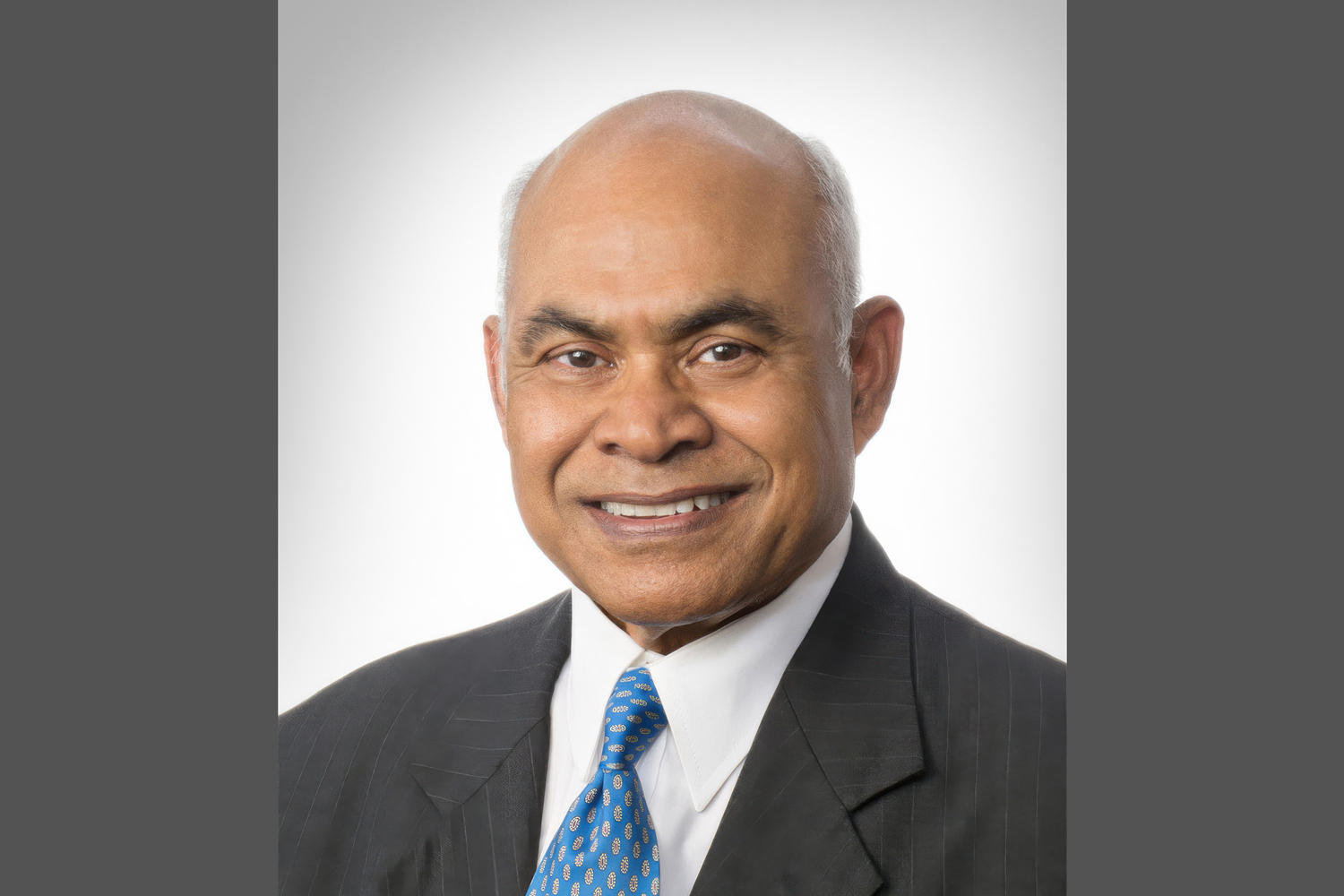
DURING HIS TRAINING AT BUSY MEDICAL CENTERS in New York City and Houston, Fazlur Rahman was just one doctor in a sea of health care providers. His visits with patients all blurred together, and he rarely knew personal details about them. That changed drastically in 1975 when he moved to San Angelo in West Texas, a city about four hours southwest of Dallas with a population of 70,000 at the time. There, Rahman was the only oncologist for 200 miles.
At first, Rahman found his remote location frustrating. He couldn’t confer with colleagues about difficult cases and lacked the resources of a large hospital, such as a medical library. But as time went by, he started connecting with his patients in a way that had previously felt impossible.
As he got to know his patients, Rahman learned about their lives beyond their medical concerns. Many worked on farms, cattle ranches or oil fields—physically demanding work with low wages that could disappear with poor weather or a bad harvest. Many lived paycheck to paycheck, which put high-cost drugs or travel to far-away cities for care out of reach. Despite the challenges of their disease, these people went on with their lives, working and taking care of their families.
To highlight these obstacles, Rahman authored opinion pieces about issues that many patients encounter, such as end-of-life care, financial toxicity and pain control. His work appeared in several national publications, including the New York Times and the Wall Street Journal. When he retired from his oncology practice in 2011, Rahman continued writing, in addition to teaching biology at a local university.
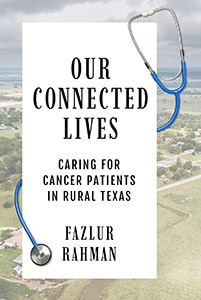
After releasing a memoir, Rahman focused his writing on the people he treated. Published in October 2024, Our Connected Lives: Caring for Cancer Patients in Rural Texas tells the story of five patients he encountered during his 35 years practicing medicine in San Angelo, where he still resides today. Rahman narrates each person’s story as he makes a diagnosis, guides them through treatment and learns what issues they face in their home lives.
He introduces the reader to a unique cast of characters: The rancher who loses his job and can no longer afford the targeted therapy that had kept his blood cancer in remission. The 87-year-old widow with ovarian cancer determined to live out her days on the farm she and her husband ran for six decades. The woman with metastatic breast cancer who continues to work during treatment because her husband’s farm doesn’t provide enough income to make ends meet.
By telling their stories, Rahman says, he highlights the struggles people with cancer in rural communities regularly endure. “When someone gets sick, we feel sympathetic to them, we try to encourage them, but we actually don’t know sometimes how much they go through,” he says.
While outlining each patient’s treatment, Rahman also describes how good care often stems from oncologists knowing their patients beyond their cancer. He regularly adjusted his patients’ treatment based on their individual circumstances. Rahman says he hopes the book inspires people with cancer to speak up about their personal lives and treatment goals when they meet with their oncologist—and encourages doctors to prioritize listening to their patients. “You can learn a lot from the patients if you have a little bit of time and let them express themselves,” he says.
Rahman spoke with Cancer Today about how cancer care differs for people in rural areas and why trust between a patient and their oncologist matters.
CT: What inspired you to write this book?
RAHMAN: After retiring, I wrote my first book about my upbringing and medical training. My wife, Ara, said to me, “That book was your life, but it’s not as important as a patient’s life.” And she was right. So I put this book together to share what I learned from my patients.
I got to know my patients and their families, and I got to like them. In a small city, you run into them here and there. And that’s what struck me: These people are going through all these problems—side effects, financial difficulties as they try to support their families, battles with hospital and insurance bureaucracy—and they still go on. They still have a daily life.
I wanted to highlight the need for that type of empathy in the medical profession. Empathy seems to be going away more and more in the health care system. Today, we’re having better outcomes than before, yet 70% to 75% of patients are unhappy with their medical care because they don’t feel like doctors are interested in them.
CT: Many of your patients didn’t want to go to a large city for treatment. Why was staying close to home so important to them?
RAHMAN: The first reason is simple: You want to be surrounded by your loved ones when you are in trouble. They can give you a boost.
Secondly, it is just extremely difficult. Nothing is close in Texas. Dallas is close to 300 miles away. San Antonio is about 225 miles. They have to drive because public transportation is very poor in Texas. If you cannot drive yourself, somebody else has to take you there. I’ve found most friends and family members can be attentive and sympathetic for one month, two months, even six months. But they have a job, a life, children. How many times can they take off work to drive you at least 250 miles to the doctor? Somebody has to spend hours driving and then probably stay there overnight.
Also, patients feel more intimate with the doctors here. I was the only oncologist, so they saw me all the time. They probably felt more comfortable with me than in Houston where they’re not going to see the same doctor all the time.
CT: Why is a patient’s relationship with their oncologist so important?
RAHMAN: Patients must trust that the doctor is doing his or her best to help them. For example, chemotherapy patients can get terribly sick. As soon as they get a little bit better, they get sick again, and it goes on for months. If the patient feels like the oncologist really doesn’t care, continuing treatment becomes very difficult. But if they trust my nurses and me and sense that we really care, they’ll know we’re trying our best. That trust is very important—not only for the patient, but for the family members too.
CT: What were the most important lessons you learned from your patients?
RAHMAN: I learned I shouldn’t be too confident or arrogant when determining a person’s prognosis. For example, one myeloma patient mentioned in the book went to hospice, and I thought she was close to death. Twenty-three years later, I saw her again, and she said, “I’m still alive.” So that humbles you. Also, I learned that there’s more to treating cancer patients than just the medicine. If you listen to patients a little bit, give them a little time, you learn they have more burdens in their lives than just cancer, which impacts their health. I learned I should pay attention to what they say about things other than side effects because something else can be going on. We, as oncologists, just have to pay attention.
This interview has been edited and condensed for clarity.
Cancer Today magazine is free to cancer patients, survivors and caregivers who live in the U.S. Subscribe here to receive four issues per year.