
-
Your Cancer Guide
The Fear of Being a BurdenAccepting help from others when you have a cancer diagnosis isn't a sign of weakness.
by Hester Hill Schnipper
-
Healthy Habits
Finding the Right CounselorYou may have to try several options before you find the right fit.
by Tara Santora
-

Caregiving With Confidence
The Money DiscussionBringing up the topic of finances might feel taboo, but transparency can help ensure that caregivers can plan and pivot during a loved one's treatment.
by K.J. Bannan
-

Healthy Habits
An Alternative to MeatAre new plant-based meat alternatives a better way to satisfy burger cravings?
by Erin O’Donnell
-
Q&A
Invisible CareIn a new book, Kate Washington offers a piercing personal account from the front lines of caregiving, and places her experiences in the broader context of societal norms.
by Marci A. Landsmann
-
 Exercise, Cancer and Aging
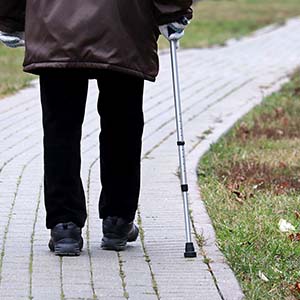
A study on aging shows that cancer survivors are at higher risk of losing strength and walking more slowly compared to those with no cancer history. Exercise is one way to combat this decline.
by Marcus A. Banks
-
 Preconceived Notions: Cancer, Fertility Coverage and the Law
Insurance coverage for fertility treatments is not mandated by federal law, although some states require it. People seeking cancer treatment need to understand their coverage and the law in their state.
by Shelly Rosenfeld
-
 August 6: The Week in Cancer News
The father of a child diagnosed with brain cancer calls for better financial support for families, and a task force aims to find out more about AYA patients' quality of life.
by Bradley Jones
-
 July 2: The Week in Cancer News
A study sheds light on the link between red meat consumption and colorectal cancer, and mRNA COVID-19 vaccines are effective in most cancer patients.
by Kevin McLaughlin
-
Your Cancer Guide
A Space for Self-CareCancer survivors can build routines to address their needs during and after treatment.
by Hester Hill Schnipper
A recently approved drug that targets RAS proteins meaningfully improves outcomes for people with this difficult-to-treat cancer.
by Sandra Gordon
Bring On the WavesA surfer’s love for the ocean guides her through breast cancer treatment and beyond.
by Cameron Walker
Does Exercise Benefit Children With Cancer?New guidelines recommend children and adolescents with cancer get regular physical activity to mitigate side effects from treatment.
by Erin O’Donnell
Can the CYP2D6 Gene Affect Tamoxifen’s Effectiveness?A recent analysis examined whether CYP2D6 metabolism influences tamoxifen response. The answer isn’t entirely clear.
by Ashley P. Taylor
-
 AACR OMB Statement and Call to Action
The AACR is deeply concerned that proposed OMB regulations would disrupt federal research grant giving, severely weakening a program that has supported American medical innovation for decades.
-
 AACR Cancer Disparities Progress Report
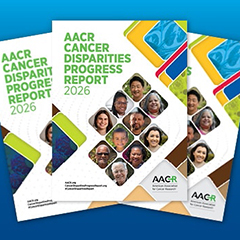
The AACR Cancer Disparities Progress Report 2026 highlights recent progress in reducing cancer disparities and emphasizes the continued need for transformative research.
Cancer Research at a Crossroads
