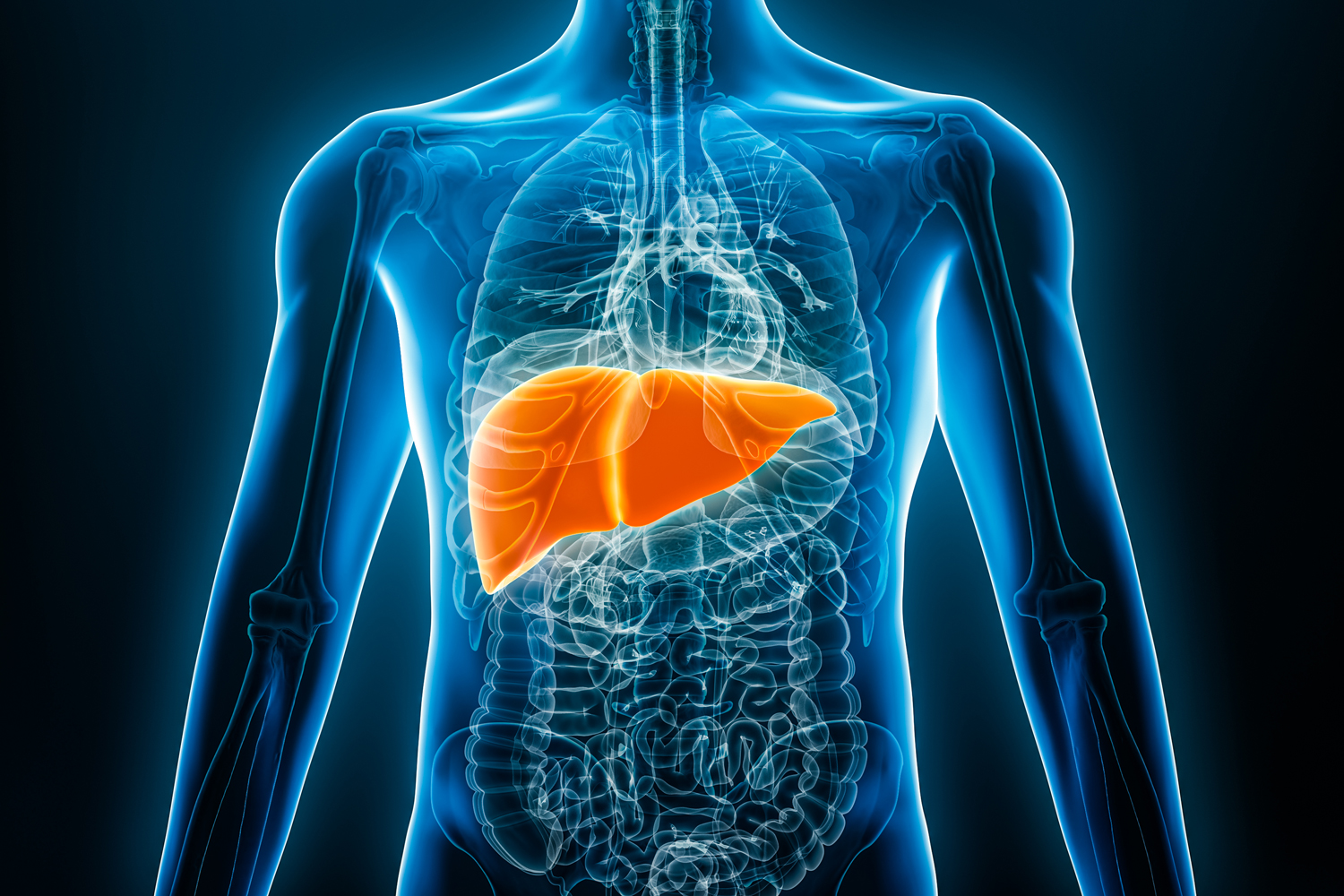
LIVER CANCER IS THE SIXTH MOST COMMON cancer and the third-leading cause of cancer-related deaths across the globe. And rates of this disease are steadily increasing. A report published July 28, 2025, in the Lancet projects the number of new liver cancer diagnoses worldwide will nearly double from 870,000 in 2022 to 1.52 million in 2050.
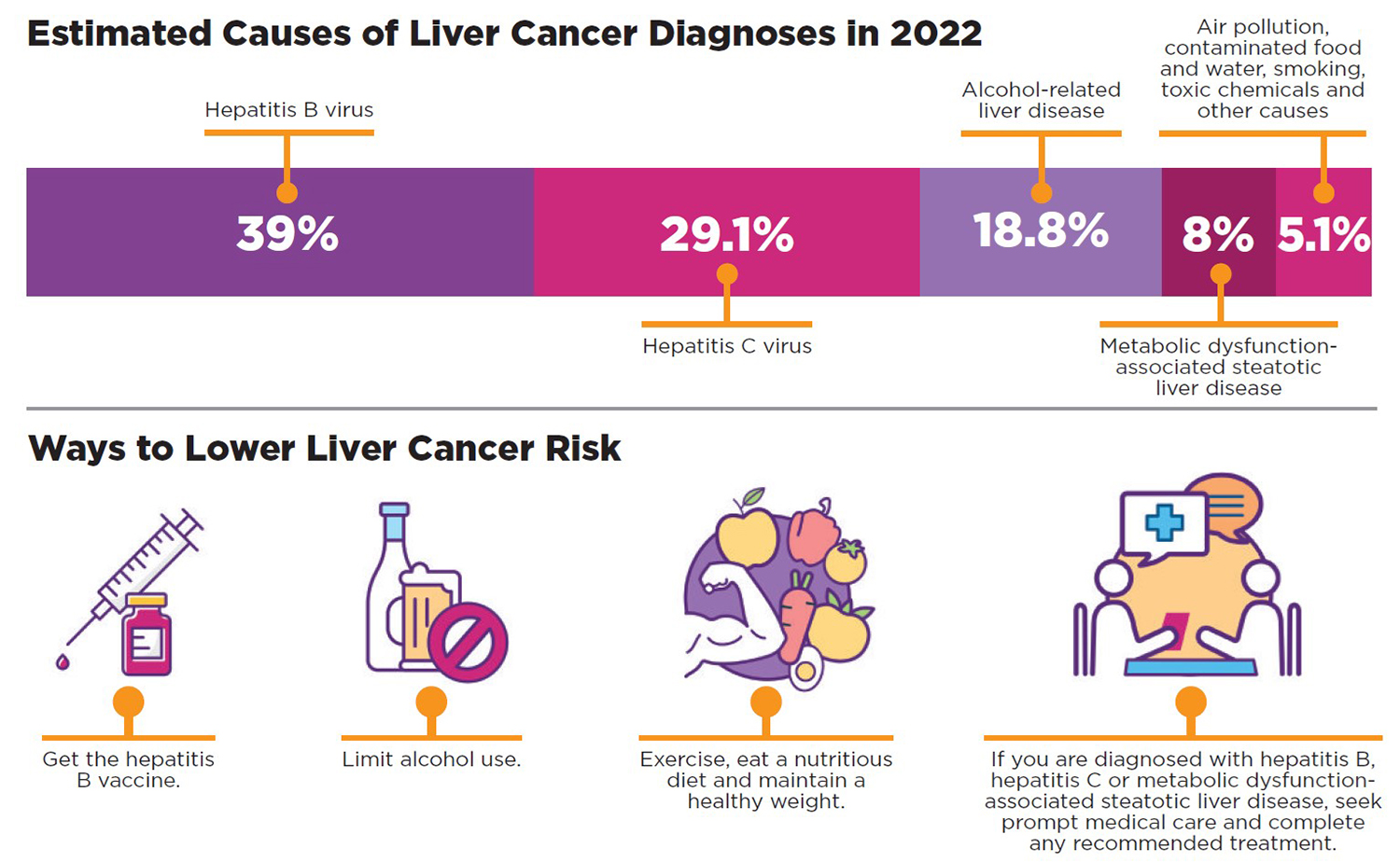
However, the report notes that behavioral shifts could prevent most cases. Some of those changes involve the prevention and treatment of the hepatitis B and C viruses, which are responsible for around two-thirds of all liver cancers. Before age 2, children in the U.S. typically receive a series of three vaccines that can prevent hepatitis B, but there is no vaccine for hepatitis C. These viruses spread through exposure to bodily fluids, often via unprotected sex or sharing needles, and mothers can pass the viruses to their children during childbirth. Antiviral medications can treat both infections, while drugs that boost the immune system can also manage hepatitis B.
Excessive alcohol use and obesity can also elevate liver cancer risk. Heavy drinking over time can damage the liver and potentially lead to liver cancer. Meanwhile, people with excess body weight have a higher risk of developing metabolic dysfunction-associated steatotic liver disease (MASLD), a condition where fat accumulates in the liver and causes cell damage that can progress to cancer. Globally, about 30% of people have MASLD, and people with type 2 diabetes or obesity have an elevated risk for the disease. To help prevent these liver diseases, people can limit alcohol use, exercise regularly, eat a balanced diet and maintain a healthy weight.
Sources: Cleveland Clinic, Lancet
Cancer Today magazine is free to cancer patients, survivors and caregivers who live in the U.S. Subscribe here to receive four issues per year.