Mariana C. Stern, PhD
IN 2016, VANESSA BAÑUELOS had just earned a bachelor’s degree in business administration when she was diagnosed with acute lymphoblastic leukemia (ALL), an aggressive blood cancer. Bañuelos, who was 25 at the time, had to leave the small, close-knit community where she grew up in Hood River, Oregon, to travel 70 miles for a lengthy hospital stay at Providence St. Vincent Medical Center in Portland. After months of intensive treatment, including high-dose chemotherapy and radiation, her cancer went into remission in May 2017.
Her cancer came back just five months later in October. Bañuelos qualified for a clinical trial that would allow her to receive a treatment called chimeric antigen receptor (CAR) T-cell therapy at Seattle Children’s Hospital. But it would mean another lengthy hospital stay, this time in Seattle. “I was more worried about relocating than the treatment,” Bañuelos says. The CAR T-cell therapy put her ALL in remission, which meant she could receive a stem cell transplant. However, Bañuelos, who is Latina, couldn’t find a fully matched donor. Finding a match can be more difficult for people from underrepresented racial and ethnic backgrounds. Donor compatibility is closely tied to ancestry, and donor registries have historically been dominated by people of European descent. Fortunately, Bañuelos received a transplant using her mother’s stem cells, which were a partial match.
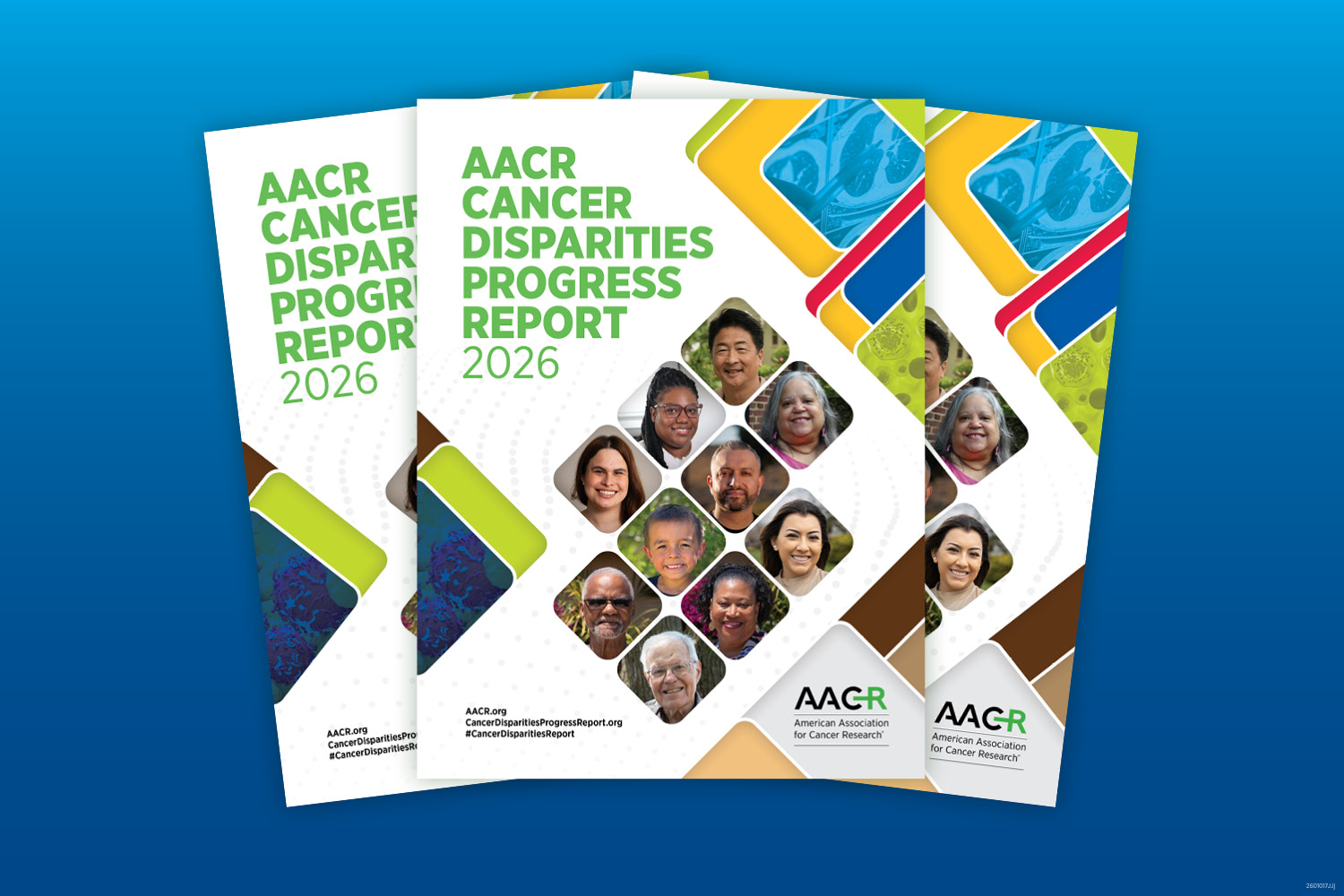
With her cancer still in remission, Bañuelos has advocated for broader access to treatments and ensuring health care systems can meet patients’ needs where they are, especially for young adults and Hispanic communities. On June 24, 2026, Bañuelos shared her story at a congressional briefing on Capitol Hill to help advance policy initiatives that address cancer disparities. Her story was also featured in the AACR Cancer Disparities Progress Report 2026, which was published by the American Association for Cancer Research (AACR).
While the U.S. is experiencing unprecedented advances in cancer prevention, detection and treatment, many populations continue to face disproportionate cancer burdens because of persistent inequities in access to high-quality care. Racial and ethnic minority populations continue to experience higher cancer mortality rates than white populations. Rural communities and individuals living in persistent poverty also face significant barriers that contribute to disparities in cancer outcomes.
The AACR Cancer Disparities Progress Report 2026 highlighted some progress in addressing these gaps. For example, in 1991, the lung cancer mortality rate was 23% higher among Black people than among white people. However, in 2024, the lung cancer mortality rate was approximately 4% lower in Black individuals than in white individuals.
Still, recent disruptions to federal research and public health initiatives threaten to slow that momentum. Since early 2025, several National Institutes of Health efforts focused on health disparities research and workforce diversity have been interrupted or eliminated, while ongoing changes to federal policies and data collection efforts risk undermining the ability to accurately measure and address inequities in cancer outcomes.
At a moment of extraordinary scientific opportunity, the AACR Cancer Disparities Progress Report 2026 underscores continued progress against cancer, but these efforts also depend on a national commitment to ensuring no community is left behind.
Learn more by watching the congressional briefing and downloading a copy of the AACR Cancer Disparities Progress Report 2026.
This column is published by the American Association for Cancer Research (AACR) to broaden awareness of policy initiatives that impact research efforts and patient outcomes. AACR also publishes Cancer Today.
Cancer Today magazine is free to cancer patients, survivors and caregivers who live in the U.S. Subscribe here to receive four issues per year.