
CHILDREN AND ADOLESCENTS WITH CANCER often feel exhausted from treatment and may be tempted to spend most of their time resting. But accumulating research suggests regular exercise can support recovery and maintain physical function for young cancer survivors.
To guide health care professionals in their efforts to encourage pediatric patients to exercise, the American College of Sports Medicine (ACSM) released its first exercise recommendations for children and teens with cancer, which were published June 2, 2026, in Medicine & Science in Sports & Exercise. An expert panel examined available evidence and concluded that not only is exercise safe for young people with cancer, but concurrent aerobic exercise and strength training also can improve muscle strength, physical function and cardiorespiratory fitness—three areas that commonly decline during cancer treatment.
“The name of the game is to preserve function and help children develop good habits that last,” says Matthew Wogksch, an epidemiologist at St. Jude Children’s Research Hospital in Memphis, Tennessee, who helped develop the ACSM guidelines.
Families may be tempted to limit their child’s physical activity during treatment, says Lynn Tanner, a physical therapist who works with children and adolescents with cancer at Children’s Minnesota in Minneapolis. However, the new recommendations reflect a shift away from the traditional emphasis on rest for children and teens with cancer, with more attention on safely adding movement and exercise to their routine. “Now what we say is that it’s actually more of a danger to be inactive than it is to be active,” says Tanner, who was not involved in drafting the ACSM statement.
Common Physical Side Effects of Cancer Treatment
Children undergoing cancer treatment can experience a range of physical symptoms, including fatigue, pain and nausea. The ACSM guidelines report that peripheral neuropathy is prevalent in as many as 90% of kids who receive chemotherapy. Neuropathy can cause pain and numbness in the hands and feet during or shortly after treatment. As a result, children may experience difficulty with balance and decreased physical function. Corticosteroids and radiation can cause children to lose muscle mass and strength, leading to deconditioning that may leave them out of breath while playing and decrease their ability to walk, run and climb.
Peripheral neuropathy and muscle weakness can lead children to compensate with unusual movement patterns, such as a waddling gait, that can continue after treatment is complete. As a result, childhood cancer survivors often move more slowly than peers without cancer and are likely to move less overall, Tanner says.
That can be problematic, given that exercise is an important defense against chronic disease, Wogksch says. Adults who had cancer as children face a higher risk for chronic disease over their lives. In the St. Jude Lifetime Cohort Study, researchers analyzed health data for 5,522 people who lived more than 10 years following pediatric cancer treatment, along with 272 community controls. Researchers found that at age 50, childhood cancer survivors had experienced an average of 17.1 chronic health conditions, compared with 9.2 conditions among peers without cancer.
Benefits of Exercise for Children and Adolescents With Cancer
The panelists reviewed results from 310 studies and found moderate evidence—meaning that it was sufficient but not strong—that regular exercise can improve muscle strength and physical function for children and teens both during and after treatment. Evidence also shows that physical activity can improve cardiorespiratory fitness after treatment.
Exercise likely has additional benefits, such as improved sleep, reduced fatigue and better quality of life, but not enough research has been done in this population to know for sure, Wogksch says. Pediatric exercise oncology “is a budding field,” he says, and more studies are needed to clarify precisely how exercise may benefit young people with cancer.
How Should Children and Adolescents With Cancer Start Exercising?
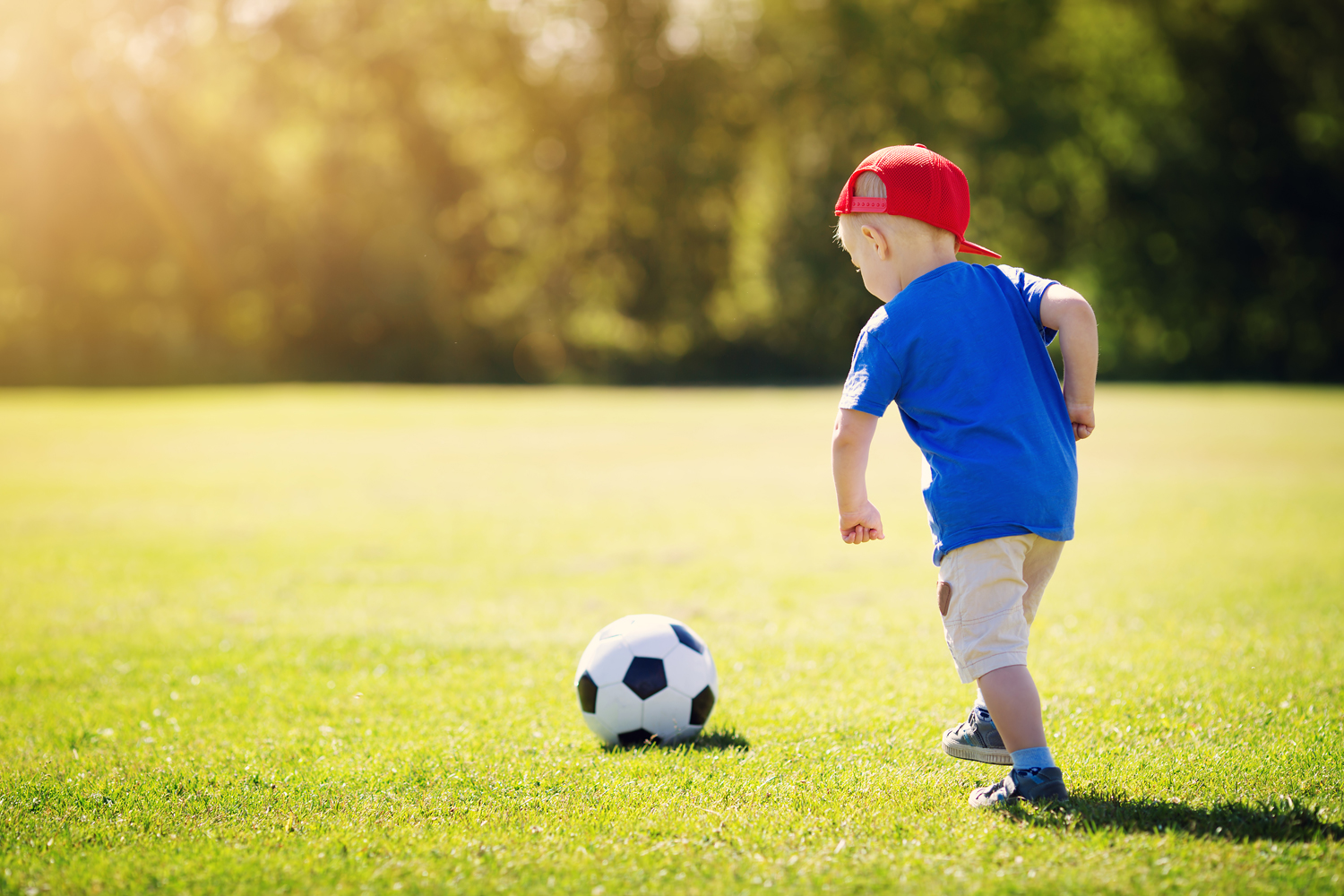
The expert panel recommends children and teens with cancer perform aerobic and resistance-training exercises for 30 to 45 minutes two to three times per week. Options include running, cycling, ball games and strength-training activities, such as free weights or plyometrics, also known as jump training, in which explosive movements, such as frog jumps and bunny hops, build agility and power.
The panel further recommends working with a qualified fitness instructor who, ideally, is certified in pediatric exercise and understands cancer treatment. It’s a good idea for parents to speak with the oncologist before their child begins a new exercise routine and to ask for a referral to an instructor or a physical therapist, who can provide exercise recommendations tailored to the child, Wogksch says. Some children’s hospitals now offer physical therapy and fitness training via telehealth, Tanner says.
For young children, Wogksch recommends exercise involving “structured play.” This can include activities such as tossing balls or dancing to music, often with the guidance of an exercise professional. “They should be having fun but [be] moving major muscle groups,” he says. Adolescents can do more structured exercise and strength-training routines.
Tanner stresses that some movement is better than none. She developed the Stoplight Program, which acknowledges that children’s ability to move will vary over the course of treatment and offers guidance based on how they feel on a given day. For example, on red light days, “they don’t feel great,” Tanner says. “They would sit on the couch and not get off of it for the whole day if they could.” But she recommends that parents encourage their children to do simple movements, such as walking to the dinner table or climbing the stairs on their own, even if they need to take them slowly. “That will be strengthening for them,” she says.
On yellow light days, kids feel ready to move, but weakness or lack of balance might mean they would benefit from some caution. Tanner suggests incorporating light activity and skill building. For example, a young child could jump off the couch or step up onto a curb and jump off to boost ankle strength and balance.
On days children feel good enough to forget their diagnosis, Tanner urges parents to give them the “green light” to run, move and play as much as they are able. “The key here is to not limit a child’s potential because of a cancer diagnosis,” she says.
Cancer Today magazine is free to cancer patients, survivors and caregivers who live in the U.S. Subscribe here to receive four issues per year.