I WAS 37 when I was diagnosed with stage III neuroendocrine cancer, a rare cancer that occurs in cells that interact between the nervous system and the endocrine system, in January 2025. Over the next three months, I had two major surgeries to remove my gallbladder, appendix and colon. While waiting in the doctor’s office to see if the surgeon removed all of the cancer or if it had spread, I glanced nervously at my phone, making sure the babysitter picked up my kids from daycare and the bus stop. I’d already been struggling to balance work and parenting five kids younger than 11, but now I was facing an uncertain future, with scans every three months. After a year of quarterly surveillance scans, I was back again, waiting to learn if the cancer has spread to another organ, which would make it stage IV.
With so much out of my control, I asked my oncologist what steps I could take to help me live longer and prevent the cancer from progressing. Her answer was deceptively simple: Move your body. Avoid processed meats. Don’t drink alcohol.
And even in that moment, I mourned the enjoyable activities that would be forever changed: boozy brunches with my girlfriends, deli sandwiches and summer festival hot dogs. It’s a small price, perhaps, for the time to see my children grow up.
The Research Behind Improving Longevity
My oncologist’s recommendations offered a truncated version of the guidelines for cancer survivors put out by many organizations, such as the American Cancer Society and the National Comprehensive Cancer Network. A recent study, published Dec. 16, 2025, in the European Heart Journal, examined seven specific cardiovascular health measures outlined by the American Heart Association and found that they are associated with improved longevity for cancer survivors. In fact, the study showed that cancer survivors that adhered to most—if not all—of the following heart-healthy lifestyle recommendations had a 38% lower risk of dying over nearly 15 years of follow-up:
- Stop smoking.
- Improve your diet.
- Increase physical activity.
- Lose weight.
- Manage blood pressure.
- Control cholesterol.
- Reduce blood sugar.
I love a list that breaks down healthy habits into digestible pieces, but following even simple recommendations can be difficult, especially when faced with a plate of pancakes and a mimosa. I’ve long enjoyed bacon at brunch, in sandwiches or wrapped around grilled meat, but bacon and other processed meats were about to take a back seat to my health.
As a health journalist, I explored some of the evidence behind healthy diet recommendations, focusing in on the recommendation to avoid red and processed meat. An analysis published in Nature Communications on Jan. 8, 2025, linked higher intake of red and processed meats to colorectal cancer risk, estimating an 8% increase for every 30 grams consumed daily. Additionally, a 2025 meta-analysis reported that red and processed meat was associated with a higher risk of colorectal cancers.
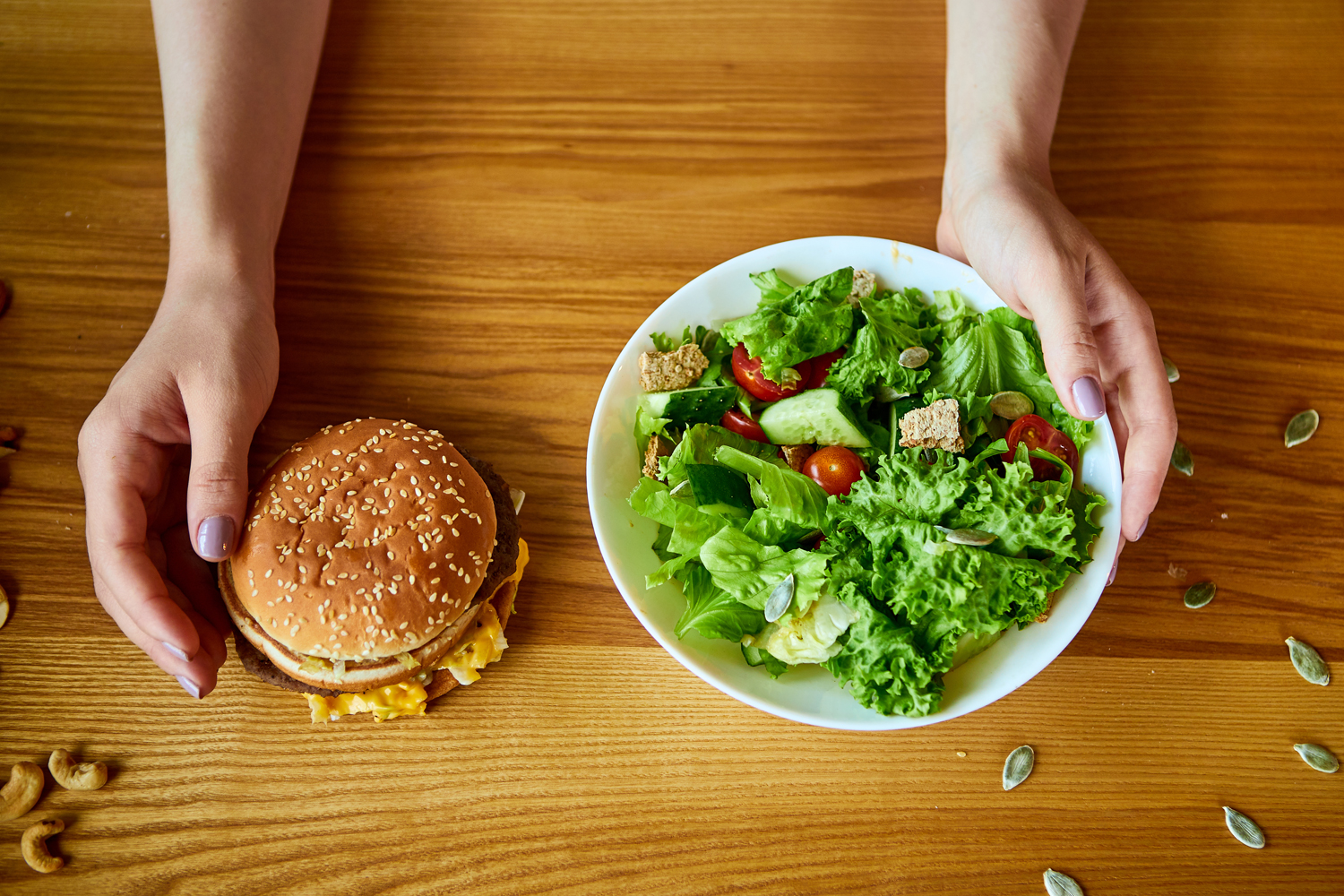
However, an analysis published July 11, 2024, in CA: A Cancer Journal for Clinicians provided helpful context. While dietary factors matter, they rank below smoking—which is No. 1, by a lot—as well as excess body weight, alcohol consumption and UV light exposure. This hierarchy helped me prioritize my lifestyle changes. The recommendation to eat a plant-based diet ranked above the recommendation to avoid too much red meat, helping me contextualize how important it was to add in a variety of veggies, rather than just taking away cheeseburgers.
In addition, a study published Feb. 11, 2026, in Cancer Epidemiology, Biomarkers & Prevention, suggests that whether foods are highly processed matters more than other dietary patterns. For example, my obsession with avoiding dyes might not be as helpful as choosing whole foods over ultraprocessed foods more generally. Choosing whole foods straight from the earth simplifies my daily decisions.
The Power of Balance
The “everything in moderation” mantra offers a path forward when the fear of cancer contends with the pressure to live perfectly. For me, moderation required a specific strategy.
As a cancer survivor, I receive scans every three months. So after each scan, my husband and I have a “splurgy” breakfast date. We order whatever we want. During that brief window between the scan and the results, I grant myself a reprieve from the seven behaviors. Not every bite necessarily impacts the diagnosis. We enjoy crispy bacon and deep breaths until the MyChart notification pings with my test results.
But outside of quarterly brunch date, I have embraced these seven behaviors. I lost weight, increased my activity and now regularly monitor my blood pressure and glucose levels. Although I never smoked, I prioritized adding lots of colorful vegetables to every meal.
My last step is harder: moving these habits from the “have to” part of my brain to the “want to” part. I know these behaviors can improve my health. Acknowledging the privilege of having the energy to take a walk and prepare a nutritious meal can transform these behaviors into lasting habits.
Cancer Today magazine is free to cancer patients, survivors and caregivers who live in the U.S. Subscribe here to receive four issues per year.