Every week, the editors of Cancer Today magazine bring you the top news for cancer patients from around the internet. Stay up to date with the latest in cancer research and care by subscribing to our e-newsletter.
RAS-targeted Therapy Shows Signs of Extending Survival in Pancreatic Cancer
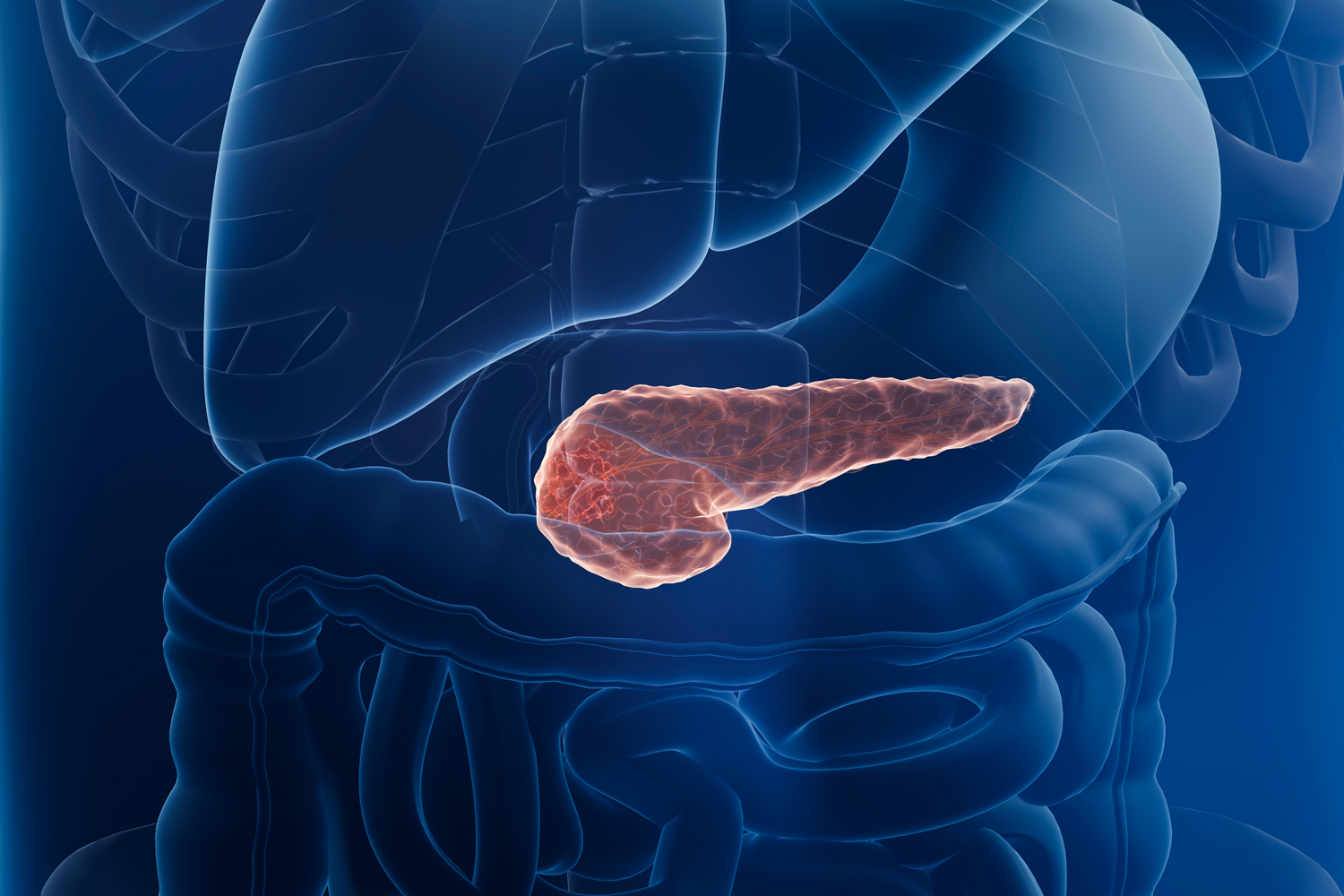
A phase I/II trial showed people with previously treated metastatic pancreatic cancer experienced a meaningful response after taking an experimental RAS inhibitor called daraxonrasib, according to results published May 6, 2026, in the New England Journal of Medicine. Pancreatic ductal adenocarcinoma, the most common type of pancreatic cancer, often evades detection until it has already become metastatic, and only 3% of people diagnosed with distant disease live five years, according to data from the Surveillance, Epidemiology, and End Results Program. The study included 168 people with metastatic pancreatic cancer, whose cancers harbored a range of RAS variants. A total of 38 patients who received the largest dose of daroxonrasib lived a median of 8.1 months without cancer growing and survived a median of 15.6 months. Grade 3 side effects or higher, meaning the patient required medical attention or hospitalization, occurred in 30% of people. Some patients had to pause treatment due to rash, but the side effects were generally more tolerable than chemotherapy, Brian Wolpin, the lead author and a medical oncologist at Dana-Farber Cancer Institute in Boston, told NBC news. He added that patients preferred being able to take daraxonrasib, which comes as a pill, over chemotherapy infusions. On May 5, the Food and Drug Administration granted the drug’s manufacturer, Revolution Medicines, permission to provide expanded access to daraxonrasib outside of clinical trials on a case-by-case basis while its approval is pending. Revolution Medicines, on April 13, also announced topline results from a phase III trial that showed a six-month improvement in median overall survival compared with chemotherapy for previously treated metastatic pancreatic cancer. The full findings of the study are scheduled to be presented at the 2026 American Society of Clinical Oncology Annual Meeting May 29 to June 2. “We have been desperately working very hard trying to find other ways to treat the cancer,” Wolpin told NBC News. “This really feels like a watershed moment. It’s going to shift how we think about treatment for pancreatic cancer overall.”
The Thymus Plays Role in Cancer Prevention and Care
Two new studies suggest that the thymus may play an important role in regulating health and disease susceptibility, including for cancer risk and treatment response, according to a report in the Washington Post. The thymus, a small organ in the chest, plays a role in training the immune system to not attack healthy cells, but it is most active during childhood and starts to dissolve into fatty tissue during adolescence. Across multiple studies, scientists are now seeing that a healthy thymus appears to be associated with a range of health outcomes. A study published March 18, 2026, in Nature used an AI program to review CT scans of the organ and found overall thymus health was associated with lower risk of cancer progression in people treated with immune checkpoint inhibitors for multiple cancers. In a separate study, also published March 18 in Nature, people with an average or healthy thymus had a lower risk of developing or dying from lung cancer than people with low thymic health. This research follows a 2023 New England Journal of Medicine study that looked at health outcomes in people who had their thymus removed—a procedure done for a number of reasons including to access the heart. People without a thymus were twice as likely to die within five years as other people who had undergone similar heart or chest surgeries. “These are very subtle signals. This is not like we take the heart out [and] the patient dies,” Hugo Aerts, director of the Artificial Intelligence in Medicine Program at Mass General Brigham in Boston and an author on the Nature studies, said. The findings do not establish the thymus as a cause for these outcomes, according to the Post, but they can provide direction for future studies and potential interventions.
FDA Authorizes Fruit-flavored E-cigarettes
On May 5, 2026, the Food and Drug Administration (FDA) provided authorization to Glas to sell mango- and blueberry-flavored e-cigarettes to people over the age of 21. The is first time the FDA has granted marketing authorization for fruit-flavored e-cigarettes, the agency announced. E-cigarette companies and other vaping proponents claim the products offer a safe alternative to conventional cigarettes, which are responsible for an estimated 480,000 deaths each year—including from lung cancer, the leading cause of cancer death in the U.S. While they are touted as safer than tobacco cigarettes, e-cigarettes carry some health risks, according to an article in the Washington Post. The decision faced criticism from health groups that claim sweet fruit and candy flavors appeal to young people who have never used cigarettes, the Associated Press reported. In March 2026, the FDA’s draft guidance on the risks of e-cigarettes to youth for the vaping industry noted that flavors based on fruits, candy and other sweets could attract new youth users, but flavors, such as menthol, coffee, mint and spice flavors may appeal to adults smokers with less risk of attracting new youth users. The rate of teen vaping is at a 10-year low in the U.S. Glas’ digital age verification system makes it unlikely that underage users will access its products, the FDA stated. Many underage e-cigarette users are able to get sweet-flavored often illegal products, which are illegal but widely available, the Washington Post reported. “Today’s decision puts at risk the progress our nation has made in reducing youth e-cigarette use,” Yolonda C. Richardson, president and CEO of Campaign for Tobacco-Free Kids, said in a statement on the nonprofit’s website. “It conflicts with overwhelming scientific evidence and the FDA’s own repeated conclusions that flavors pose a substantial risk to young people.”
Cancer Today magazine is free to cancer patients, survivors and caregivers who live in the U.S. Subscribe here to receive four issues per year.