Every week, the editors of Cancer Today magazine bring you the top news for cancer patients from around the internet. Stay up to date with the latest in cancer research and care by subscribing to our e-newsletter.
Spreading Radiation Over Multiple Sessions May Reduce Recurrence Risk for Large Brain Metastases
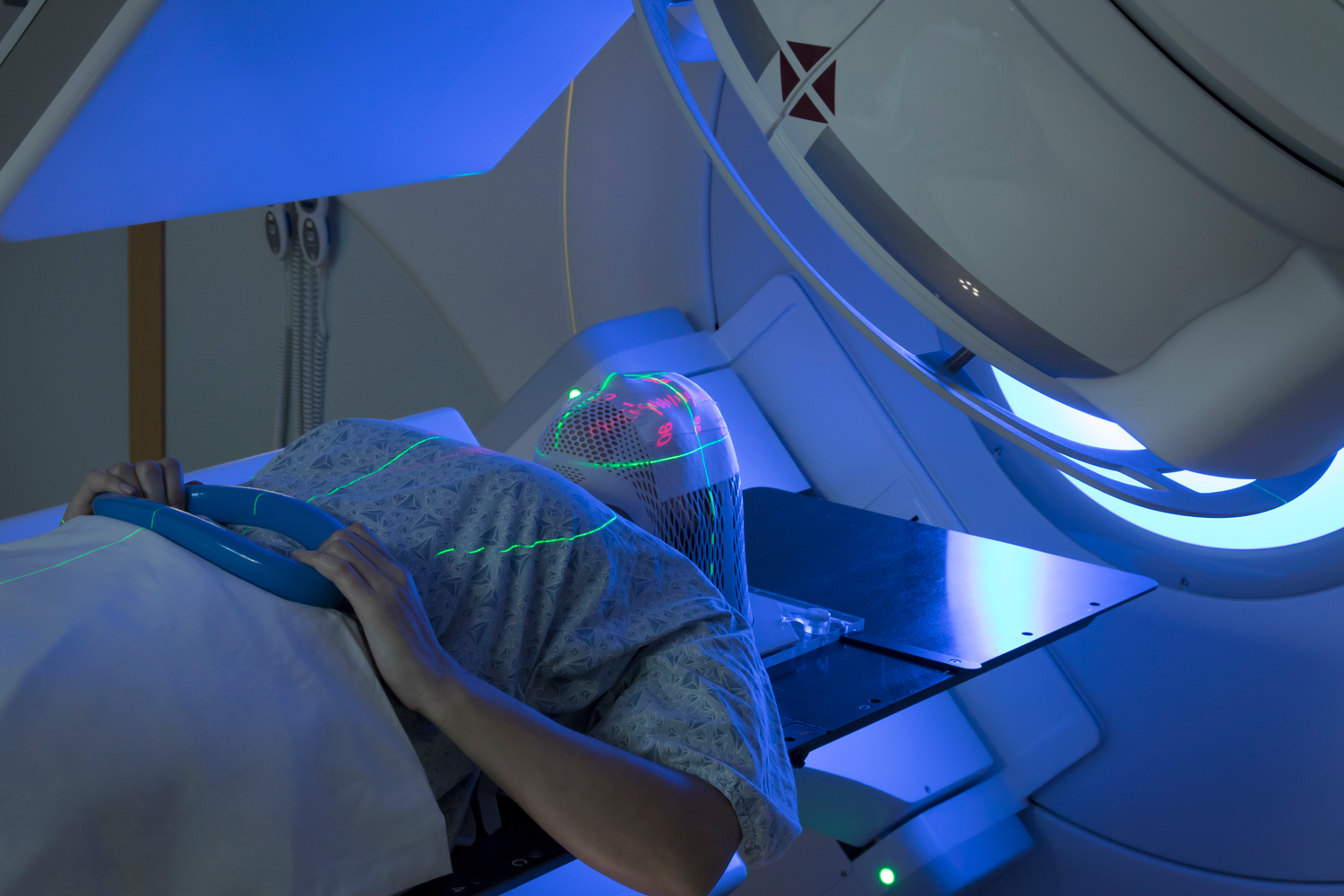
Radiation doses delivered over three to five sessions after surgery for large brain metastases may lower the risk of cancer returning to the surgical site compared with treatment using a single radiation dose, according to trial results presented at the 2026 American Society for Radiation Oncology Annual Meeting in Boston. Stereotactic radiosurgery applied to the area where a brain metastasis has been surgically removed can lower the risk of new tumors growing in the same location. The trial evaluated treatment in 242 people with one to four brain metastases who underwent surgery to remove one lesion measuring at least 2 centimeters, the ASCO Post reported. The participants received either fractionated radiosurgery, given over three or five sessions, or single-session radiosurgery. “After surgery for a large brain metastasis, the challenge is giving enough radiation therapy to eliminate microscopic cancer cells left behind without exposing too much healthy brain to a high single dose,” Paul D. Brown, the lead investigator of the trial and a radiation oncologist at Mayo Clinic Comprehensive Cancer Center in Rochester, Minnesota, told the ASCO Post. “Dividing the radiation dose over several treatments gives healthy tissue time to recover between doses while still delivering an effective dose to the treatment area.” One year after treatment, 87% of people remained free from recurrence at the surgical site, compared with 81% who received single-session radiosurgery. The median overall survival for people in the fractionated group was 29 months compared with 20 months in the single-fraction arm. Both groups had similar rates of side effects. Damage to healthy tissue from radiation, called radiation necrosis, occurred in 14% of people who got radiation over multiple sessions compared with 10% in the single-session group. Cerebral edema, or buildup of fluid in the brain, was reported in 8% in the fractionated group and 9% in the single-fraction group.
Targeted Therapy Plus SERD Extends Progression-free Survival in Breast Cancer
A study published in the New England Journal of Medicine showed that adding giredestrant, an investigational oral selective estrogen receptor degrader (SERD), to everolimus nearly doubled progression-free survival in some people with advanced breast cancer whose disease had progressed on endocrine therapy and a CDK4/6 inhibitor. The combination was tested in 373 people with advanced estrogen receptor-positive, HER2-negative breast cancer. Participants received either giredestrant plus everolimus or everolimus plus an approved endocrine therapy—which could be an aromatase inhibitor, tamoxifen or fulvestrant, another SERD. Among 207 people with ESR1-mutated tumors, the median progression-free survival was 10 months for the giredestrant regimen compared with 5.5 months for standard therapy, MedPage Today reported. Adverse events occurred in 98.9% of the combination group and 96.8% of the standard treatment group. The most common side effects that occurred were mouth inflammation or irritation, diarrhea and anemia. “These findings provide another novel therapeutic option for patients with ESR1-mutant breast cancer and may support endocrine therapy-based sequencing strategies that could delay the need for chemotherapy until later lines of treatment,” Aditya Bardia, a medical oncologist at the Jonsson Comprehensive Cancer Center in Los Angeles who was not involved in the study, told MedPage Today. A SERD is a class of targeted cancer drugs that binds to and destroys estrogen receptors inside cells, blocking the hormone from fueling hormone-sensitive breast cancers.
SBRT Shows Durable Cancer Control for Localized Prostate Cancer
Stereotactic body radiotherapy (SBRT) provided similar disease control as surgery for people with localized prostate cancer, according to phase III trial results presented at the 2026 American Society for Radiation Oncology Annual Meeting in Boston. The trial included 123 people who received either SBRT, a type of external radiation therapy that targets tumors while sparing surrounding tissue, or prostatectomy to remove the prostate and nearby tissue. Over a median follow-up of eight years, researchers tracked biochemical/clinical failure, defined as rising PSA levels, cancer recurrence, metastasis, the start of hormone therapy or prostate cancer death. Thirteen failures occurred during follow-up: five in the SBRT group and eight in the prostatectomy group. Five-year freedom from biochemical/clinical failure rates were 94.8% with SBRT and 94.1% with prostatectomy. At eight years, these rates were 91.2% and 83.7%, respectively. “Men with intermediate-risk prostate cancer, appropriately treated, invariably are not going to die of the disease,” Nicholas van As, the trial’s lead investigator and a consultant clinical oncologist at the Royal Marsden NHS Foundation Trust in London, told Healio. “Their mortality is extremely low. No one in PACE-A, even with eight years follow-up, has died of prostate cancer. We’re not talking about a treatment that’s going to adversely affect their chance of dying; therefore, their quality of life is the key thing they should be making the decisions on.” At five years, 8.3% of people in the SBRT group reported using a urinary pad compared with 48% of those in the prostatectomy group. No participants assigned to SBRT reported bowel function issues compared with 3.6% of those assigned prostatectomy.
Cancer Today magazine is free to cancer patients, survivors and caregivers who live in the U.S. Subscribe here to receive four issues per year.