
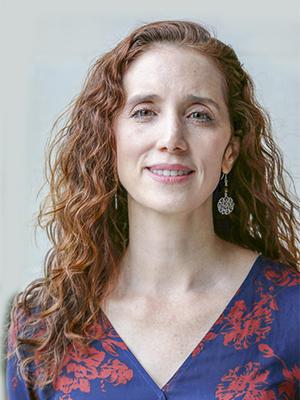
K.J. Bannan Photo by Suz Redfearn
IF SOMEONE ASKED ME how I would have defined myself before my mother was diagnosed with stage IV non-small cell lung cancer, I could have rattled off many titles: mom, wife, writer, Girl Scout leader and friend, to name a few. However, these defining roles took a back seat as I became a caregiver. Each day, my preoccupation with arranging and coordinating my mother’s care left less time to be—well, me.
“When somebody is drowning in the uncertainty of caregiving and potentially facing existential distress, they’re not going to feel like themselves,” says Allison J. Applebaum, a clinical psychologist and researcher who focuses on caregiver support at Mount Sinai Health System in New York City. “There are ways in which caregivers can feel a sense of completeness or wholeness when they realize that caregiving affords them the opportunity to learn new things about themselves.”
Applebaum shares these tips to help caregivers reclaim parts of themselves despite the tug that often accompanies caring for someone with cancer.
Do a self-inventory. When counseling caregivers, Applebaum will often ask people who are struggling with their sense of self to complete the “Who am I?” exercise. She urges caregivers to reflect on their identity both before and after their loved one got sick. “That allows me to hear what parts of themselves have changed and what parts of them selves have stayed the same,” she says, which can reveal enduring qualities that remain consistent.
Acknowledge your evolution. While caregiving can take a lot from us, the challenges we face can teach us to develop new skills. “New parts of their identity emerge,” Applebaum says. “Just knowing that can help you feel better about what you may have lost.” For example, someone who feels naturally shy may learn to be bold by speaking up on their loved one’s behalf.
Perform micro-takebacks. In the thick of things, you can still reconnect to neglected parts of yourself. One of Applebaum’s patients, who was an avid gardener, moved from the suburbs to New York City to care for her partner during cancer treatment. To help her patient stay connected to an activity she found incredibly meaningful in her new surroundings, Applebaum recommended the couple build window boxes in their apartment.
Tune in to your emotions. The pressure of caregiving can often lead to anger and sadness. Normally, guilt is meant to signal that we’ve done something that goes against our values or harmed someone else. This emotion can also be a sign that we are pushing ourselves too hard or taking on more than we can realistically manage. While we often assume that guilt means we are failing the patient, Applebaum notes that it usually signifies the opposite. “When we have those ‘woulda, shoulda, coulda’ thoughts, it’s a sign that the person that we are letting down is not the patient, but ourselves,” she says.
During the 20 months when my mother was ill, I tried to reprise my old familiar roles that brought me joy. I’d plan a Girl Scout meeting in a waiting room while mom received immunotherapy or call a friend while driving to the pharmacy. These little bursts of normalcy reminded me that the old me was still in there—and still worth embracing.
Cancer Today magazine is free to cancer patients, survivors and caregivers who live in the U.S. Subscribe here to receive four issues per year.