
Every week, the editors of Cancer Today magazine bring you the top news for cancer patients from around the internet. Stay up to date with the latest in cancer research and care by subscribing to our e-newsletter.
Microplastics Found in Prostate Cancer Tumors
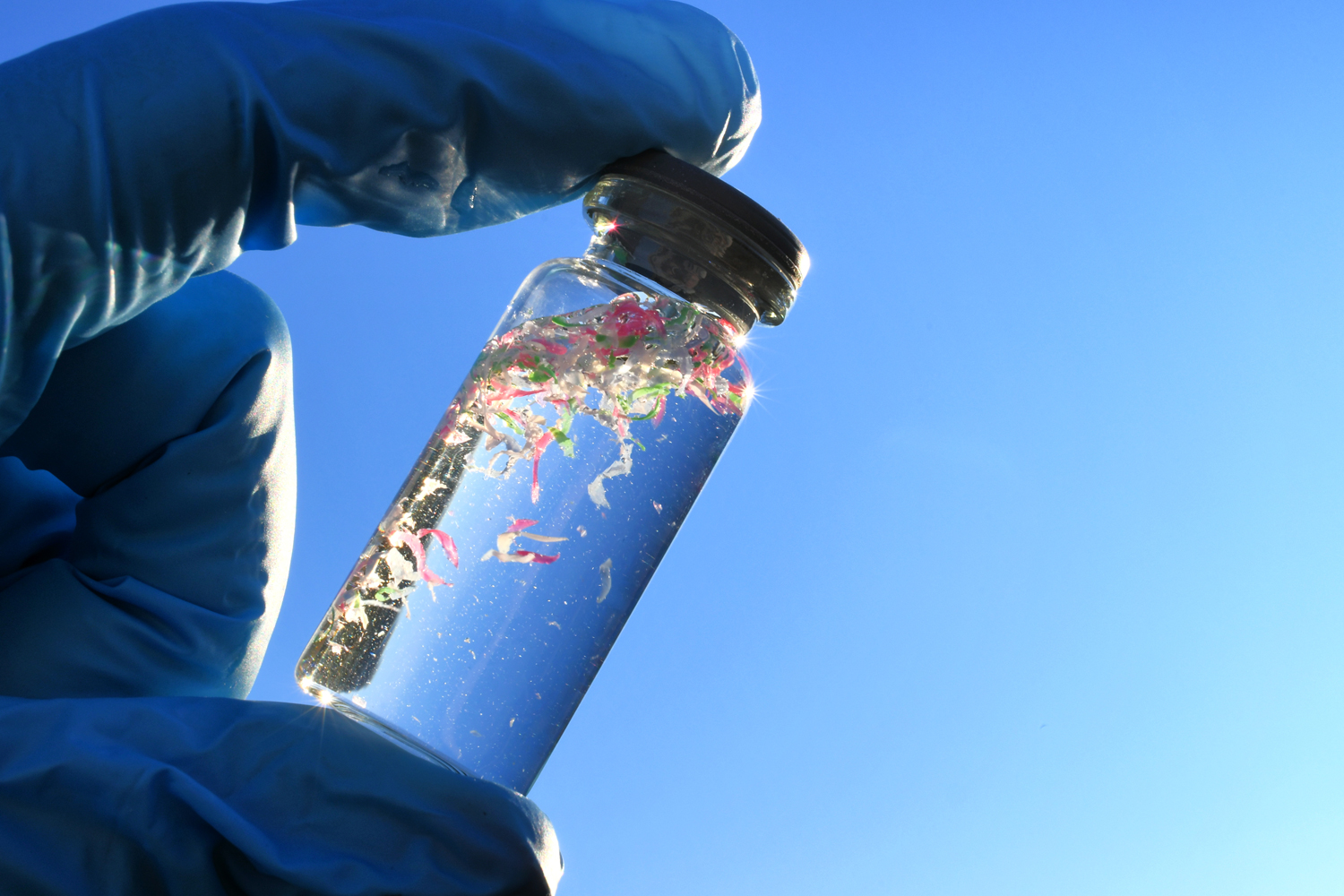
Microplastics are more prevalent in prostate cancer tumors than in healthy tissue, according to results of a small study presented at the American Society of Clinical Oncology Genitourinary Cancers Symposium in San Francisco. Microplastics, plastic particles smaller than 5 millimeters, are commonly used in cosmetics and medical products. They also can break off from larger plastic items, such as food wrapping and water bottles, and have been found in food, drinks and the human body. Researchers analyzed prostate cancer and healthy tissue samples from 10 men who had their prostate surgically removed, NBC News reported. Researchers found 90% of the tumor samples contained microplastics, compared with 70% of the healthy tissue samples. Additionally, the tumors had an average of 40 micrograms of plastic per gram of tissue—2.5 times the amount found in the healthy tissue. The findings are “very surprising and concerning,” Stacy Loeb, the study’s lead author and a urologist at NYU Langone Health in New York City, told NBC News. While more microplastics were detected in prostate cancer tissue, the study does not prove the particles caused the disease, Loeb said. However, researchers said future studies should explore that possibility. Experts said microplastics could potentially damage prostate cells, impair immune function, increase inflammation and introduce harmful chemicals into the prostate, which have all been found to elevate prostate cancer risk. Researchers are planning a larger study that will analyze tissue samples from 30 people with prostate cancer.
U.S. Cervical Cancer Rates Down by Nearly 30% Since 2000, But Some States Lag Behind
Cervical cancer cases in the U.S. dropped by nearly 30% over a 20-year span, but not all states have seen numbers go down, according to a study published in the Journal of the National Cancer Institute. Using national cancer data, researchers analyzed cervical cancer incidence among women ages 20 to 31 from 2000 to 2005 and from 2016 to 2021. Comparing the two time periods, researchers found cases declined by 27% nationwide, Healio reported. Researchers credited the decrease in large part to the human papillomavirus (HPV) vaccine, which was approved in 2006 for girls around age 11 and later for boys. The vaccine protects against infection with HPV, which causes most cases of cervical cancers. Looking at incidence by state, researchers found Hawaii, Michigan, Rhode Island and Washington, D.C., all had a nearly 50% reduction in cervical cancer cases. Meanwhile, rates remained stable in Alabama, Arkansas and Idaho, while they went up slightly in Vermont and West Virginia. Researchers found states with high HPV vaccination rates typically had lower cervical cancer incidence. “Differences in HPV vaccination coverage across states are translating into measurable differences in reductions in invasive cervical cancer among young women,” Chenxi Jiang, a study author and an epidemiologist at the American Cancer Society, told Healio.
Mental Health in Year Following Cancer Diagnosis Linked to Survival
A person’s mental health in the year after they receive a cancer diagnosis may impact how long they survive, according to a study published in Cancer. Researchers analyzed medical records for 371,897 people treated in California who were diagnosed with cancer from 2013 to 2023 and had no prior history of mental health disorders. They found 39,687, or 10.6%, developed a mental health disorder, such as generalized anxiety disorder or major depressive disorder, during the year following their diagnosis. Researchers found patients who developed a mental health disorder were 51% more likely to die within three years of their diagnosis than those who did not develop a mental health disorder, HealthDay reported. In years three through five, people with a mental health disorder had a 17% higher mortality risk. “Over the past several years, we’ve had an increasing appreciation for the important relationship between cancer, its treatment and mental health,” Julian Hong, the study’s lead author and a radiation oncologist at UCSF Helen Diller Family Comprehensive Cancer Center in San Francisco, said in a press release. Hong said the results highlight the need for people with cancer to prioritize mental health treatment.
Cancer Today magazine is free to cancer patients, survivors and caregivers who live in the U.S. Subscribe here to receive four issues per year.