A HEALTHY DIET CAN HELP REDUCE CANCER RISK, but it may also help people already diagnosed with cancer live longer. Eating a diet full of foods that reduce inflammation was linked to extended survival among people with colon cancer in a study presented in June 2025 at the American Society of Clinical Oncology Annual Meeting in Chicago.
Simple swaps throughout the week can add up and help you shift toward an anti-inflammatory diet. Oncology dietitian Krystle Zuniga offers these recommendations:
- Replace white rice with bulgur or quinoa.
- Swap soda for sparkling water.
- Choose lightly salted nuts instead of chips.
- Substitute ground turkey or lentils for ground beef.
Inflammation is a normal immune response that defends against bacteria, viruses and outside threats. “However, when it becomes chronic, inflammation can lead to altered signaling pathways that promote cancer growth,” says Sara Char, a study author and an oncology fellow at Dana-Farber Cancer Institute in Boston. Different nutrients in food can increase or decrease inflammation. For example, processed meats, refined grains and sugary drinks can promote inflammation and an environment where cancer can grow. Meanwhile, plant foods, such as fruits and vegetables, can reduce inflammation.
In the study, Char and colleagues investigated the impact of pro- and anti-inflammatory diets on colon cancer outcomes. Researchers examined food and lifestyle survey responses from 1,625 people who had stage III colon cancer that had been removed with surgery. They grouped participants based on how much inflammation-promoting food they reported eating. After a median follow-up of about five years, the group that ate the most pro-inflammatory diets had an 87% higher risk of death than the group that ate the least inflammatory diets. Those who exercised the most and ate an anti-inflammatory diet had the longest overall survival.
Focus on incorporating more plant foods into your diet.
Instead of focusing on what not to eat, try adding more anti-inflammatory plant foods to each meal and snack, oncology dietitian Krystle Zuniga says. For example, an extra serving of colorful vegetables at dinner leaves less room on your plate (and in your stomach) for pro-inflammatory foods. Consider adding a smoothie with berries, spinach and chia seeds to your breakfast or packing fruit and nuts with your afternoon snack, she says.
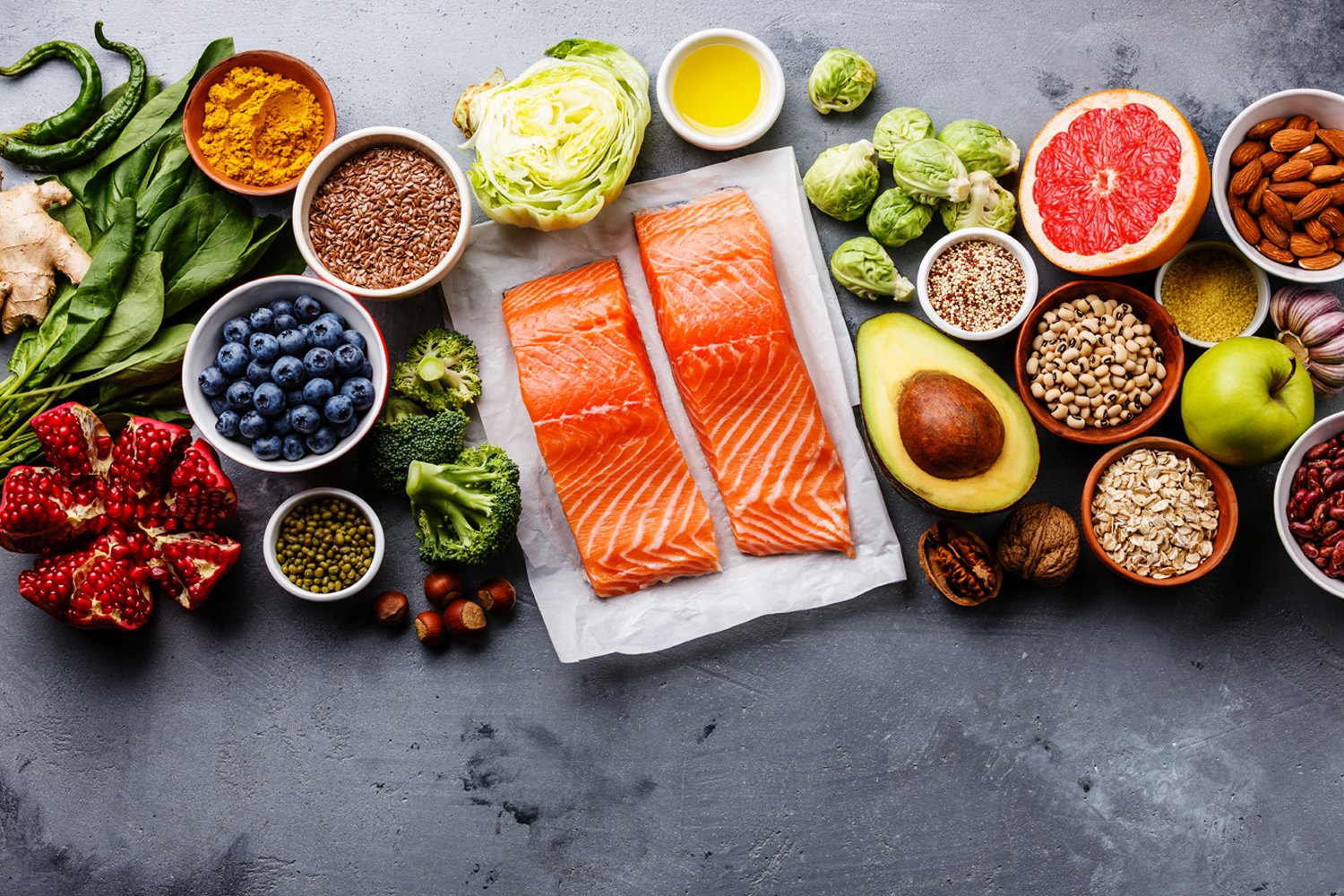
An anti-inflammatory diet includes lots of leafy greens, yellow and orange vegetables, colorful berries, nuts, seeds, and fatty fish, such as salmon or sardines, according to Krystle Zuniga, an oncology dietitian based in Austin, Texas, who was not involved with the study. “The fiber, antioxidants and healthy fats in these foods help lower inflammation,” she says. Anti-inflammatory dietary patterns have also been associated with improved survival in breast and colorectal cancers, she says.
Cancer Today magazine is free to cancer patients, survivors and caregivers who live in the U.S. Subscribe here to receive four issues per year.