
Hester Hill Schnipper Photo courtesy of Beth Israel Deaconess Medical Center
WORDS MATTER, but they seem to carry even more weight after news of a cancer diagnosis. We listen intently as doctors, who are focused on medical terminology, staging and treatment guidelines, tell us about our next steps. We look up complicated terminology online for signs that might suggest we will endure this and go back to life as normal.
In Cancer World—the term I use to describe the planet we inhabit once we are diagnosed with this disease—we sometimes forget the power we have in choosing our own words to describe our cancer experience.
The words others use—and the words we choose for ourselves—matter deeply. Whether struggling to make sense of clinical jargon in a medical report or feeling pressure to embrace the title of “survivor,” we may feel at odds with the words used during our treatment. But we can find ways to talk about cancer on our own terms.
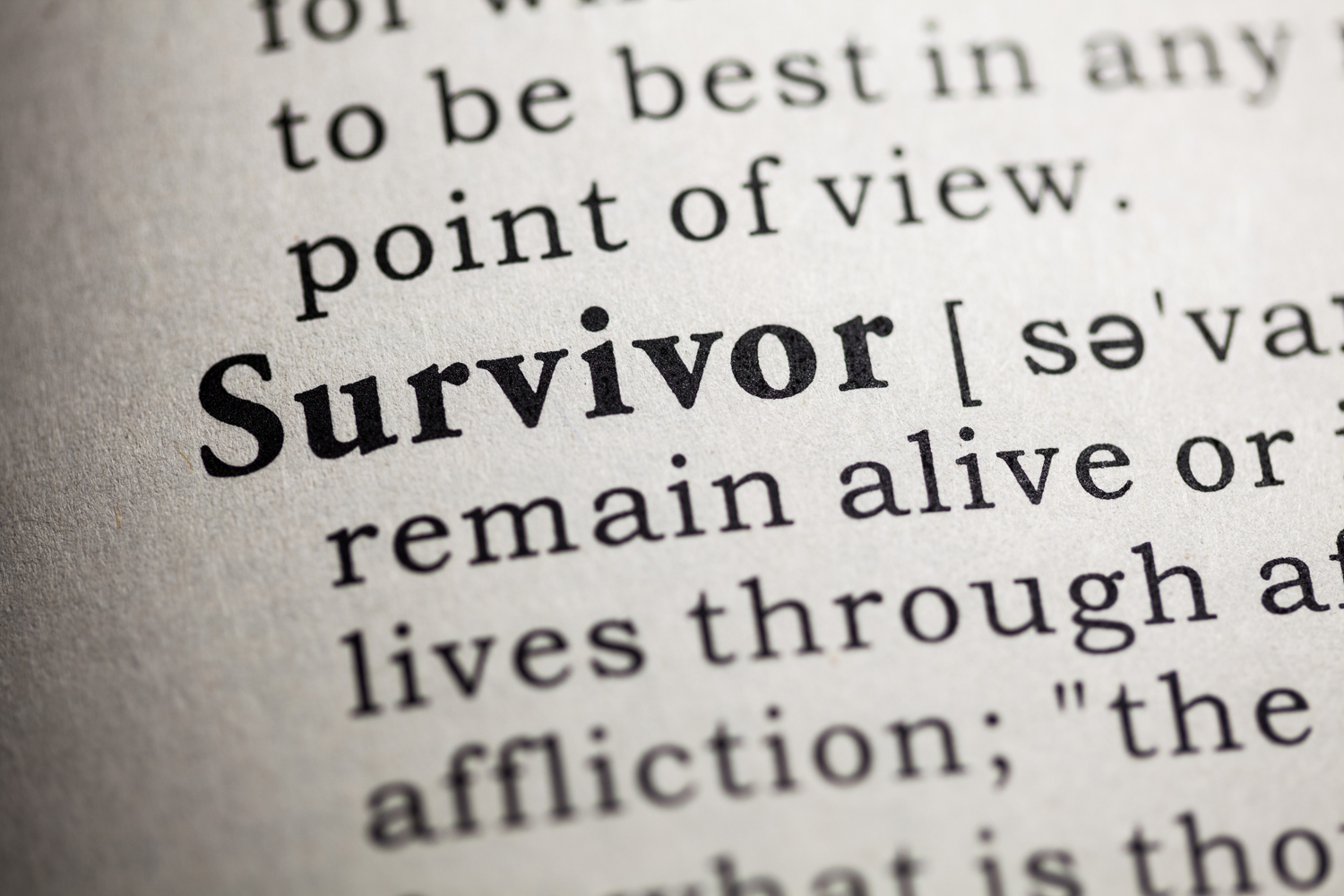
1) There is no one-size-fits-all characterization for cancer that suits all of us. Each of us experiences cancer in a different way. For example, many of us don’t feel comfortable using the word “survivor,” even though by most definitions, a person with cancer becomes a survivor the moment they are diagnosed with the disease.
2) If you feel uncomfortable with any characterization, you can choose to stick to the facts to describe your experience. Statements such as “I have been treated for prostate cancer” or “I finished treatment for ovarian cancer last year” are direct and accurate ways to tell your story.
3) None of us want to feel powerless or pitied. The word “victim,” along with overly empathetic responses to news of a cancer diagnosis or treatment setback, can frame your cancer as a crime—and you the innocent bystander. If you feel someone miscasts you and your cancer in this unwanted role, you might offer a way to recast yourself. For example, you could say: “I don’t really think of myself as a victim. I’m just someone who’s dealing with cancer.”
4) Cancer is often framed using military language. The person with cancer becomes a warrior who battles the disease. For some, the warlike metaphors provide strength. For others, it can create undo pressure to be relentlessly brave or tough, even during times when people feel scared, sad or tired.
5) Some people, particularly those with advanced cancer, may eschew military language that implies one wins or loses. Instead, they may prefer to describe their disease as a chronic illness, which focuses on efforts to maintain their long-term health.
6) It’s OK to come up with your own rules. For example, although “cancer journey” is often used to neatly sum up life after a diagnosis, the word “journey” has always felt more like a way to describe a trip to a distant location of my choosing. “Journey” most certainly does not describe the months of my chemotherapy treatment or the time awaiting my hair to grow back. I use Cancer World as a stand-in when talking about that time.
7) Unfortunately, you will almost certainly be on the receiving end of thoughtless questions that somehow imply you are to blame for your cancer diagnosis. Many of us have faced questions about lifestyle factors—drinking, smoking or stress—as if we invited the disease. If you find yourself on the receiving end of such terrible remarks, be firm and assert the truth: Cancer is a biological process of cells gone awry. No one does anything to deserve their cancer.
Cancer Today magazine is free to cancer patients, survivors and caregivers who live in the U.S. Subscribe here to receive four issues per year.