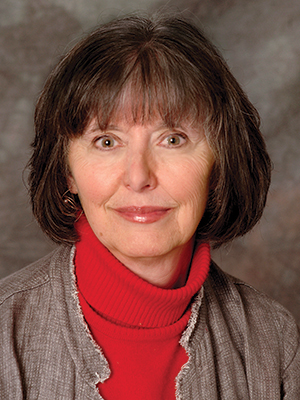
Hester Hill Schnipper Photo courtesy of Beth Israel Deaconess Medical Center
MOST OF US HAVE endured difficult periods in our lives, whether navigating a divorce, caring for a child with special needs, coping with the death of a parent or losing a job.
In these situations, receiving a cancer diagnosis can turn what once felt like a tropical storm into a hurricane. Your first instinct may be to run for cover, but the unfortunate reality is there is only one path forward—and that’s through the storm.
Here are some ways to consciously put life’s other challenges in the back seat as you make your way through treatment:
1) Talk with your doctors about any preexisting medical conditions, such as diabetes, heart disease or mental health conditions, to ensure various aspects of your health are proactively managed.
2) Consider offloading responsibilities to others. For example, can you rely on family members to take your elderly mother out for grocery shopping or have parents of other children in the neighborhood take turns bringing your kids to swim practice?
3) Set up time to speak with your hospital’s oncology social worker, community resource specialist or nurse case manager. They can refer you to support services within the health system and the community.
4) If you are a primary caregiver for someone who is sick, explore ways to help lighten your caregiving load. An oncology social worker may be able to connect you with organizations that arrange transportation, meal delivery, in-home assistance, adult day care programs or respite care, which is temporary caregiving support.
5) Explore different advocacy organizations that offer support for your unique situation. Young adults with cancer may gain valuable insight from organizations such as Stupid Cancer and the Ulman Foundation, which serve adolescents and young adults affected by cancer.
6) For young adults with cancer who have small children, Bright Spot Network offers a monthly online support group for children under 10. Another group, called Wonders & Worries, offers free professional support for children between 2 and 10 who have a parent with cancer.
7) If you’re currently unemployed or struggling to balance your treatment and recovery with work responsibilities, Cancer and Careers provides practical guidance and legal expertise for navigating work and cancer.
8) If you’re worried about paying medical bills, contact your hospital’s financial services department. If you’re concerned about keeping up with credit card bills or a mortgage, rent or car payment, reach out to the lender or company as soon as possible and explain your circumstances. Many organizations can offer temporary assistance or flexible payment options.
9) If you find yourself in a difficult and stressful living arrangement, especially if you do not feel safe at home, talk with an oncology social worker to see if you can get outside support.
10) Remember to find the helpers. These are people who seem to come in at the right moment, at times when we least expect it. If someone offers to help lighten the load, be sure to wholeheartedly accept this gift.
11) No matter the hills you’ve already been struggling to climb, keep an eye on the path ahead—the one that will lead you through your treatment. Life’s other challenges will likely be waiting for you when treatment is over. Your only obligation is to focus on recovery. Almost everything else can wait.