MY MOM, WHO WAS DIAGNOSED with metastatic non-small cell lung cancer, attended a weekly patient support group religiously. After her death, I spoke to the group facilitator, who told me how engaged my mom was in those meetings. He shared how she was always the first to arrive at meetings, eager to share her feelings and information with other patients.
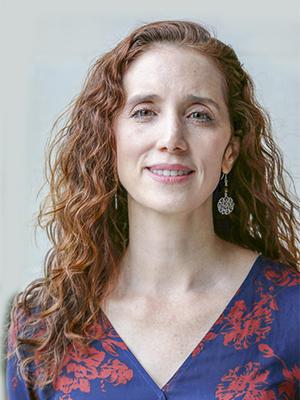
K.J. Bannan Photo by Suz Redfearn
Looking back, I sometimes wonder if I, as a caregiver, might have benefited from a similar level of group support. I imagine these groups could provide a way to vent about topics, such as burnout, financial stress and anticipatory grief, and discuss the emotions that I hesitated to share with my mother.
“Everybody needs somebody that they can talk to about their caregiving experiences who isn’t the patient, and support groups can be a really important resource because they are a great place to find those people,” says Maija Reblin, a researcher at the University of Vermont Cancer Center in Burlington whose work focuses on cancer caregiving interventions.
Support groups, including those for caregivers, allow people with similar experiences to connect in a safe space, she says. “That feeling of, ‘I’m not alone; there are other people doing this too,’ is what most support groups are hoping to accomplish,” Reblin says.
People looking for caregiver support groups might start by asking the oncology social workers or patient navigators at their loved one’s hospital or clinic for recommendations. In addition, some patient advocacy organizations provide online and in-person support groups. For example, CancerCare offers online support groups led by oncology social workers and in-person support groups in New Jersey and New York. Cancer Support Community provides in-person and online support groups through local chapters nationwide.
For those who may not have time for formal meetings, online peer support communities, including private Facebook groups, member-only forums and discussion boards, offer the benefit of being easy to access from anywhere at any time. Online communities can give caregivers a place to talk about their feelings and experiences with peers, but they may lack trained moderators to guide discussions or to correct inaccurate information.
“Some people really do just want to find their little group of people and connect without having their conversation be moderated, so I don’t want to say that that’s a bad option,” Reblin says.
No matter what kind of support you find to be helpful, you should feel respected and comfortable sharing your thoughts in discussions, Reblin says. She adds that in-person support groups and online communities may cater to different ages, diagnoses, caregiver roles, genders or life stages, so caregivers may need to “shop around” to find the right fit. “If you feel like you’re getting something out of it, then it’s a good group,” she says.