

David Zahavi, PhD Photo courtesy of David Zahavi, PhD
DECADES OF SCIENTIFIC RESEARCH, collaboration and legislative reform have transformed the lives of many children with cancer. In the 1970s, 58% of children diagnosed with cancer in the U.S. could expect to live five years or longer. Now, based on the most recent statistics from 2015 to 2021, 87% of children diagnosed with cancer live five years or longer. The increased survival rate is thanks, in part, to strong bipartisan support for and sustained federal investment in research.
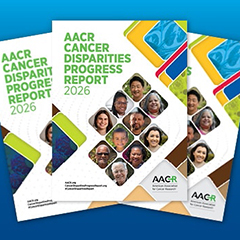
On Dec. 4, 2025, the American Association for Cancer Research (AACR) released the AACR Pediatric Cancer Progress Report 2025 to highlight how these advances and policy efforts have improved pediatric cancer care. This inaugural report identifies treatment advances, including the development of novel targeted and immune-based therapies that have helped improve survival for children with cancer. In addition, researchers’ understanding of genetic mutations in childhood cancers, including some leukemias, neuroblastomas and rare cancers, have led to targeted therapies that can reduce the need for chemotherapy and help limit side effects.
Download a PDF of the report at PediatricCancerProgressReport.org.
Historically, policy initiatives that accelerate research into pediatric cancers have enjoyed strong bipartisan support. In 2018, during President Donald Trump’s first term, the Childhood Cancer Survivorship, Treatment, Access and Research (STAR) Act established dedicated funding lines for pediatric cancer research under the National Institutes of Health (NIH) and the National Cancer Institute (NCI). This law helped establish the Childhood Cancer Data Initiative, which enhanced cancer registries so researchers could more thoroughly study the long-term and late effects of pediatric cancer treatment. In years past, members of Congress from both parties worked together to pass the 2012 Creating Hope Act and the 2017 Research to Accelerate Cures and Equity (RACE) for Children Act, laws that helped incentivize pharmaceutical companies to develop drugs for pediatric cancers.
However, policymakers can still do more to help improve treatment and outcomes for children with cancer. Many children, especially those living in rural and underserved areas, cannot access clinical trials. In addition, pediatric cancer survivors often live with chronic and serious health conditions related to their cancer or its therapy, which can also create a heavy financial burden.
To help children diagnosed with cancer navigate these long-term impacts and ensure all children with cancer benefit equitably from research progress, our elected officials need to continue to push for evidence-based policies that promote comprehensive health insurance coverage, mitigate health care access barriers and address health disparities.
With the Trump Administration’s proposed 40% cuts to the NIH and NCI budgets for 2026, we now stand at a pivotal moment. Despite progress, cancer remains the most common cause of death by disease among children in the U.S. Our sustained attention and care, as well as increased and sustainable funding for the federal agencies and programs that support pediatric cancer research, are essential to sustain momentum and improve outcomes for children with cancer.
The AACR continues to urge Congress to work vigorously and in a bipartisan manner to ensure robust, sustained funding for pediatric cancer research and to prioritize children with cancer.
To learn more about research advances in pediatric cancer and ways policymakers can ensure research will continue to unlock breakthroughs, download the AACR Pediatric Cancer Progress Report 2025 at PediatricCancerProgressReport.org.
Cancer Today magazine is free to cancer patients, survivors and caregivers who live in the U.S. Subscribe here to receive four issues per year.