
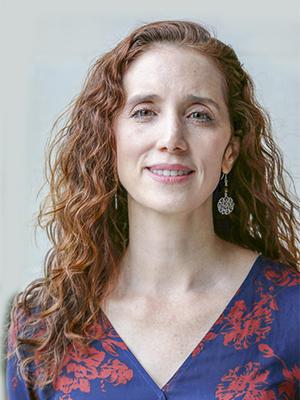
K.J. Bannan Photo by Suz Redfearn
CANCER DIDN’T CROSS OUR MINDS when my mother entered the emergency room with breathing difficulties one summer afternoon in 2017. But just 48 hours later, a surgeon told us that she had stage IV non-small cell lung cancer. Days later, I remember sitting in the oncologist’s office dazed as they ran through a number of different treatment options.
Looking back, I now understand that those first few appointments—when every term seemed like another language—would give way to a path forward. Over the course of those 20 months of my mother’s treatment, I learned to digest complex information and speak up when I had questions.
Caring for someone with cancer can be overwhelming as you acclimate to shifting terrain. Here are some helpful tips that might help to ease the transition if you find yourself navigating those first doctors’ appointments with a loved one:
Bring a third set of eyes and ears. Even though you may want to be the main person supporting your loved one, it can help to bring an additional person, such as a friend or family member, on those visits. “Having someone with you to take notes and act as another set of ears helps, especially if you’re getting news you weren’t expecting,” says Ryan Sugarman, a gastrointestinal medical oncologist at Memorial Sloan Kettering Nassau in Uniondale, New York. He also encourages caregivers to log in to the patient portal for notes and key information.
Practice patience. Our first oncology appointment took roughly six hours, between filling out paperwork, getting blood draws and scans, and finally meeting with the oncologist. (Something I learned: Pack a ready-to-go bag with snacks, a phone charger, a deck of cards and books.) These initial appointments can feel torturous when you’re desperately hoping to move forward with a plan of action. What seems like slowness may be fueled by thoroughness. Your loved one’s oncologist may need to get other information, such as results from tumor testing or biopsies, to determine an appropriate treatment plan. Doctors may also need time to consult with other specialists, such as radiologists and surgeons, to execute a coordinated approach.
Ask for a second opinion. Most oncologists encourage patients to get second opinions from other doctors, if needed. Consulting with a second physician may reveal a different treatment or give everyone involved reassurance about the initial approach. If you’re not certain who to see for a second opinion, many oncologists can provide referrals, Sugarman says.
Ask questions. Never hesitate to pause the conversation to get further clarity, especially if you have questions about a procedure or an approach. For example, you may want to ask the medical team to define the standard of care—the treatment that experts recognize as an effective approach for this specific diagnosis. Ask why the team chose one treatment over another.
I will never forget those first oncology appointments and the urgency I felt to make the right decisions. My mom would live just 20 months after her diagnosis, but even with this amount of time, we had time to consider options. In these high-stake what-if scenarios, it’s easy to get overwhelmed. Take a deep breath. You have time to learn, to ask questions and to make sure that you and your loved one understand your options enough to move forward.
Cancer Today magazine is free to cancer patients, survivors and caregivers who live in the U.S. Subscribe here to receive four issues per year.