
My loved one and I want to set up an estate plan. How do we get started?
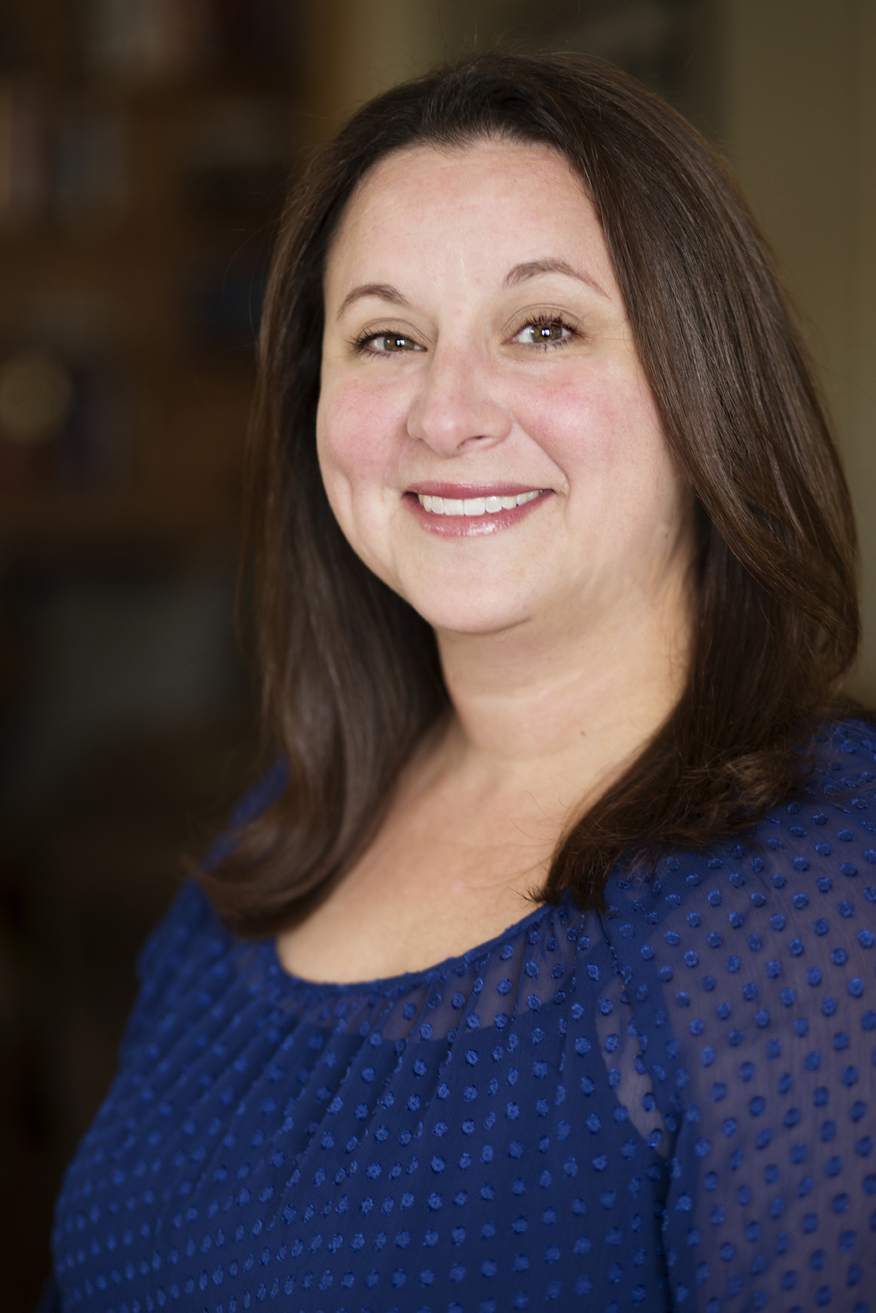
Joanna Doran, a cancer rights attorney and the chief executive officer at Triage Cancer
Estate planning is the process of documenting your wishes regarding your money, property and other assets if you die or become unable to make decisions for yourself. Many people assume they don’t need to plan ahead if they don’t have a lot of assets or own a house, but anyone over 18 should consider completing estate planning documents.
When most people think of estate planning, they think of a will, which is a legal document that describes how your assets will be distributed after your death. But estate planning also includes a variety of documents that outline how you want your financial and medical affairs handled. For example, if you have a lot of assets or wish to control distributions over time, consider a trust, which outlines how and when your assets will be transferred to your loved ones. You can complete a financial power of attorney, a document that allows another person to manage your financial affairs while you’re still alive. An advance health care directive outlines your health care preferences and wishes. In addition, a medical power of attorney names someone to speak to doctors on your behalf if you cannot make decisions for yourself. Another document can designate who will care for your pets.
Each state has different laws on what types of estate planning documents are available and how you should complete them. Triage Cancer offers state-specific estate planning tool kits and resources to help you understand your options. Certain states offer easy-to-complete, fill-in-the-blank forms to create a will, which needs to be signed in front of two witnesses. While getting your will notarized isn’t required (unless you live in Louisiana), it may help avoid legal challenges down the road.
Before you get started, think about who you want your beneficiaries to be, what funeral arrangements you prefer and who you’d like to appoint as your will’s executor, or the person who ensures your final wishes are honored. Gather relevant paperwork, such as marriage licenses, insurance policies, mortgage statements and deeds. Many online resources can help you complete estate planning in a cost-effective way. However, if you have a more complicated or high-value estate, want to set up a trust, or would like more specific guidance, talk with an estate planning attorney. An experienced attorney can help you navigate the laws in your state and develop an estate plan that ensures your wishes will be honored while limiting the potential for family conflict.
While it may feel overwhelming to get started, estate planning allows you to give your family and other loved ones peace of mind because they won’t have to guess what you would have wanted.
ESTATE PLANNING // The American Cancer Society, in partnership with Giving Docs, offers free estate planning services. // GoodTrust helps you fill out estate planning documents and allows your loved ones to access important information after your death.
The expert’s response was edited for clarity and based on an interview with Kendall K. Morgan.
Cancer Today magazine is free to cancer patients, survivors and caregivers who live in the U.S. Subscribe here to receive four issues per year.