Every week, the editors of Cancer Today magazine bring you the top news for cancer patients from around the internet. Stay up to date with the latest in cancer research and care by subscribing to our e-newsletter.
RAS-targeted Therapy Approved to Treat Pancreatic Cancer
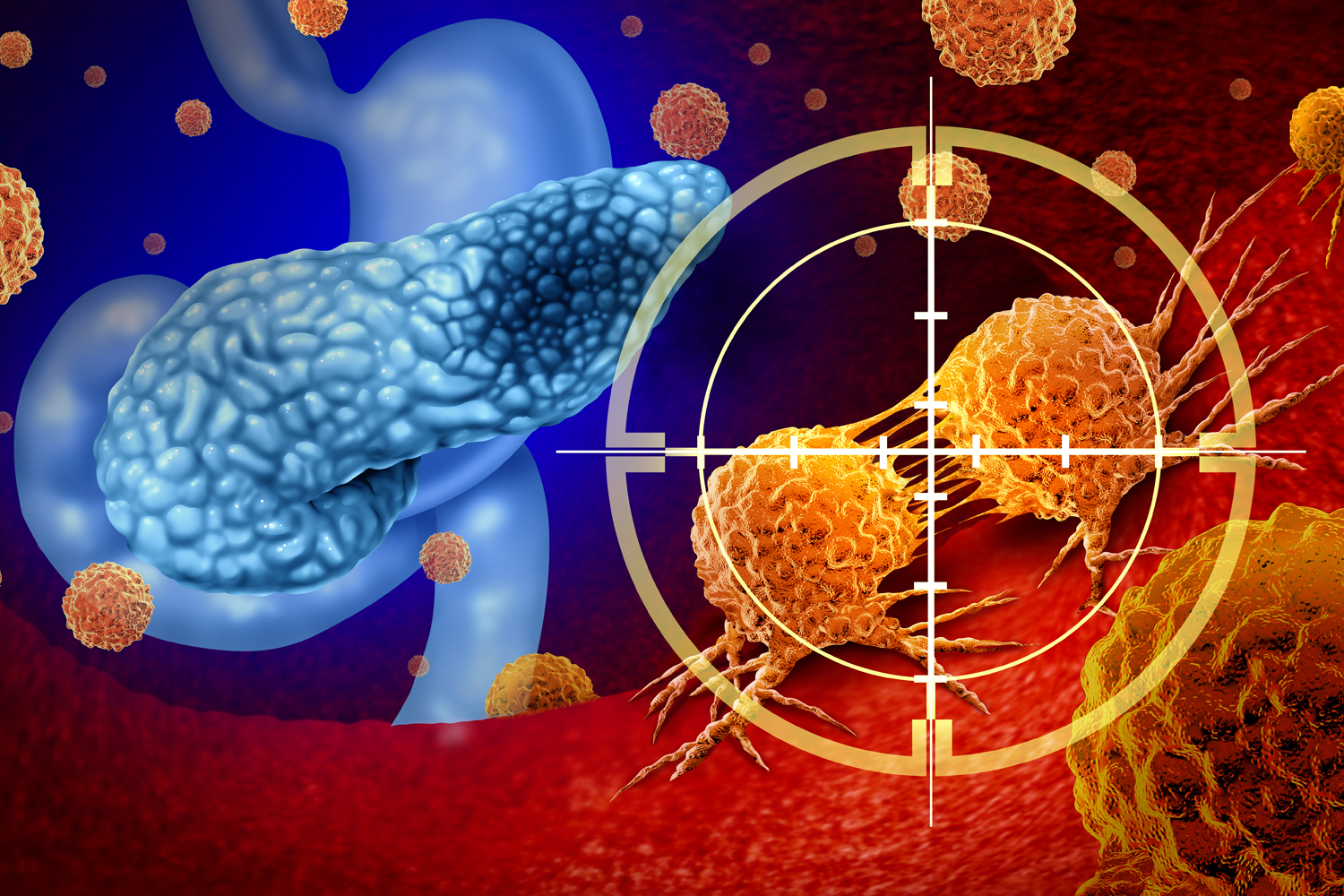
The Food and Drug Administration (FDA) approved Rasonque (daraxonrasib) for people with metastatic pancreatic cancer who have received at least one previous treatment. Rasonque is the first approved treatment for pancreatic cancer that targets mutations on RAS, a family of genes that regulate cell growth in normal cells but can fuel cancer growth when mutated. More than 90% of pancreatic cancers feature a RAS mutation. Researchers have long known the role RAS mutations play in pancreatic cancer, but until recently, they had struggled to develop drugs that could effectively target the pathway, the Associated Press reported. The FDA based its approval on results from a phase III clinical trial published May 31, 2026, in the New England Journal of Medicine. In the trial, 500 people with metastatic pancreatic adenocarcinoma, the most common type of pancreatic cancer, that had progressed on a previous treatment received either Rasonque or a standard chemotherapy regimen. People treated with Rasonque lived a median of 13.2 months after starting the trial, while people undergoing standard chemotherapy lived a median of 6.7 months. “It is our fundamental duty to deliver more cures and meaningful treatments to patients as quickly as possible,” acting FDA Commissioner Kyle Diamantas said in a news release. The treatment comes as a pill to be taken daily, and its manufacturer, Revolution Medicines, announced a one-month supply will cost about $39,800. Common side effects include rash, mouth sores, diarrhea and digestive problems, the Associated Press reported.
Government-funded Trials Fill Research Gaps in Cancer Care
The medical industry, primarily drugmakers, and the federal government fund most cancer research in the U.S. Since the 1990s, industry has constituted an increasingly large share of that funding, according to an article in Medscape. Industry funders have an incentive to study new drugs that could eventually be sold for profit, so some researchers have wondered how that might affect what gets studied in clinical trials. In a study published in JAMA Oncology, researchers analyzed 11,681 cancer clinical trials registered on ClinicalTrials.gov between 2008 and 2024. They compared how industry- and government-supported cancer trials approached research. That analysis found 77.4% of industry trials tested individual drugs, whereas single-agent trials made up 48.6% of federally funded trials. Prevention trials made up 4.7% of federal trials and 1.1% of industry trials, and supportive care figured in 2.5% of federal trials and 0.9% of their industry counterparts. Government-backed trials were also more likely than industry ones to test combinations of different treatment types and treatment de-escalation. Rare cancers figured more prominently in government-funded trials, represented in 17.5% of such trials compared with 12.1% of industry trials. Pediatric cancers followed a similar pattern, being the focus in 16.1% of government trials and 5.3% of industry. Private industry sponsors funded 9,569 of the analyzed trials, while the government funded 2,112, an imbalance that concerns some researchers, including study author Joseph Unger, a health services researcher at Fred Hutch Cancer Center in Seattle. “If it’s increasingly dominated by industry, it ends up being the case that there’s just going to be less opportunity to ask these kinds of non-drug-specific questions that federally sponsored researchers specialize in,” Unger told Medscape.
FDA Approves Bispecific HER2 Antibody for Stomach, Esophageal Cancers
The Food and Drug Administration (FDA) approved the bispecific HER2 antibody Ziihera (zanidatamab) as a first-line treatment for unresectable advanced or metastatic HER2-positive stomach and esophageal cancers. The drug is approved for use alongside chemotherapy with or without the monoclonal antibody Tevimbra (tislelizumab). The FDA based its approval on findings from a phase III clinical trial published May 27, 2026, in the New England Journal of Medicine. In the trial, 914 people with advanced HER2-positive gastroesophageal adenocarcinoma, which comprises stomach, esophageal and gastroesophageal junction cancers, received chemotherapy and one of three treatment regimens: Ziihera alone, Ziihera with Tevimbra, or trastuzumab, which is a current standard treatment. After a median follow-up of 25.9 months, the Ziihera-Tevimbra combination improved the median time people lived without cancer progression compared with trastuzumab—12.4 months versus 8.1 months, respectively. The combination also lengthened median overall survival to 26.4 months, compared with 19.2 months for people receiving trastuzumab. Ziihera without Tevimbra also improved progression-free survival, which in a subgroup analysis researchers found was primarily driven by benefit for people with the highest HER2 expression. This group experienced a median progression-free survival of 14.2 months, compared with 7.6 months for trastuzumab. But the data on Ziihera alone has not yet shown it to have a benefit in overall survival. Ziihera comes with warnings for potentially severe side effects, including diarrhea, heart problems and infusion reactions. “[This study] clearly shows that zanidatamab is a superior anti-HER2 agent to trastuzumab and, therefore, has the potential to replace trastuzumab in the first-line setting,” Geoffrey Ku, a gastrointestinal medical oncologist at Memorial Sloan Kettering Cancer Center in New York City and a study author, said in an article in Healio.
Cancer Today magazine is free to cancer patients, survivors and caregivers who live in the U.S. Subscribe here to receive four issues per year.