Every week, the editors of Cancer Today magazine bring you the top news for cancer patients from around the internet. This week, this news comes from findings presented at the American Association for Cancer Research Annual Meeting 2026, held April 17 to 22 in San Diego. (The AACR publishes Cancer Today.) Stay up to date with the latest in cancer research and care by subscribing to our e-newsletter.
Targeted Therapy, mRNA Vaccine Prolong Survival in Pancreatic Cancer
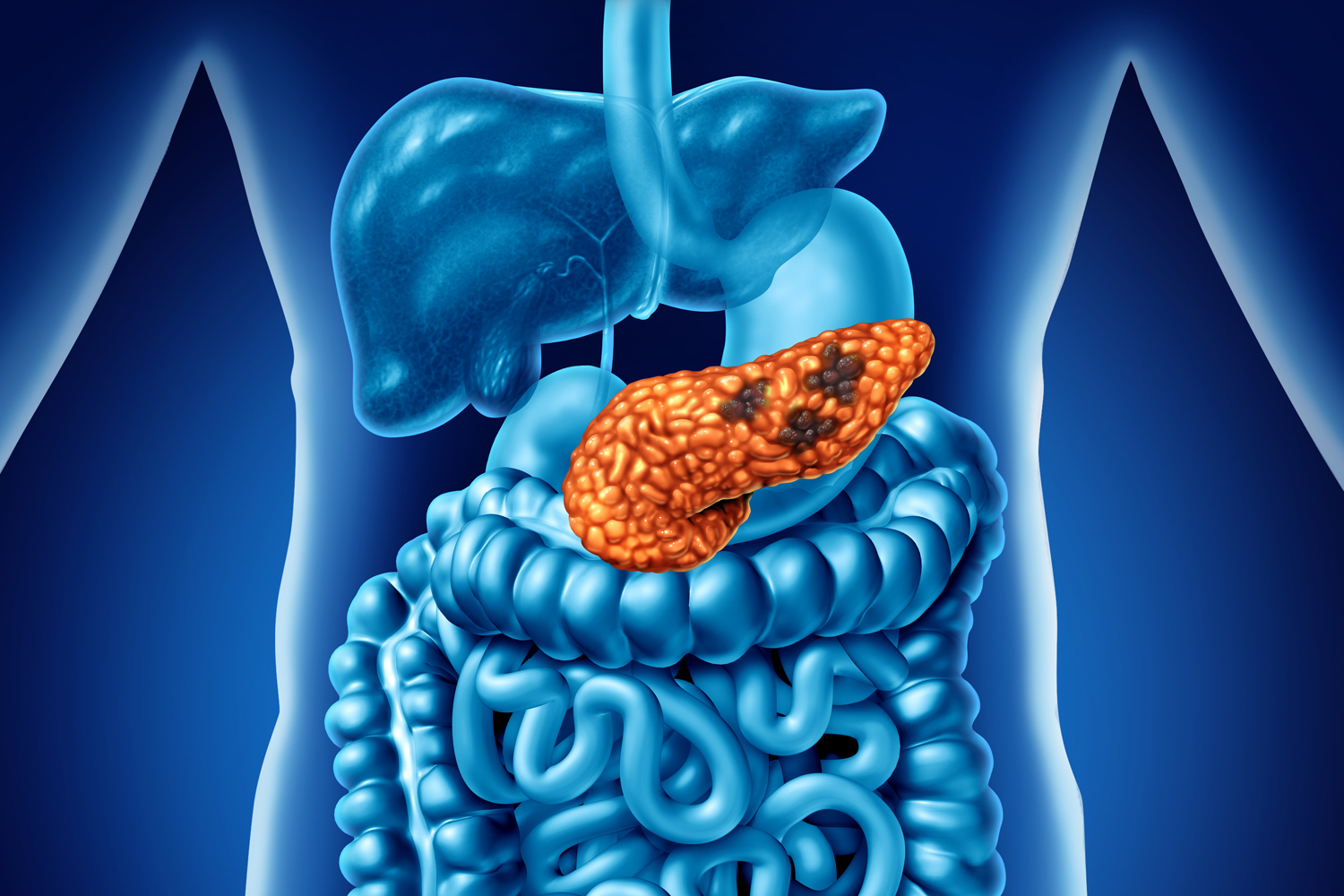
Just 13% of people diagnosed with pancreatic cancer live five years or more. Two treatments currently being tested in early clinical trials appear to extend survival in people with the disease, the New York Times reported. Recently, Revolution Medicines, the drug manufacturer that produces a targeted therapy drug called daraxonrasib, announced topline results from a phase III clinical trial that included 40 people with metastatic pancreatic cancer. In the study, which has not yet been published, people who received daraxonrasib lived for a median of 13.2 months, compared with 6.7 months for those who received standard chemotherapy. “This is a patient population that has very limited options,” Robert Vonderheide, director of Abramson Cancer Center in Philadelphia and president-elect of the American Association for Cancer Research (AACR) who was not involved in the study, told the Times. “To see that effect with a side-effect profile that is manageable unleashed a lot of excitement in the field.” In another study presented at the AACR Annual Meeting 2026 in San Diego, 16 people with pancreatic cancer received a personalized mRNA vaccine following surgery. These vaccines train the body’s immune system to recognize and attack proteins only found on cancer cells. Of the eight people who produced an immune response to the vaccines, seven survived four to six years later. Only two of the eight people who did not show signs of an immune response lived for four to six years.
Targeted Therapies Prompt Responses in KRAS-mutated Lung Cancer
Two experimental treatments that target different KRAS mutations delayed disease progression in people with advanced non-small cell lung cancer, according to early-phase studies presented at the American Association for Cancer Research (AACR) Annual Meeting 2026 in San Diego. KRAS mutations drive cancer growth in many cancers, but effective drugs that target this mutation have historically been difficult to develop, the Wall Street Journal reported. Currently, there are two approved drugs for people with lung cancer that has a KRAS G12C mutation, which is the most common KRAS mutation found in non-small cell lung cancers. In a phase I clinical trial, 40 people with lung cancer that had a less common mutation called KRAS G12D received zoldonrasib. In 27 evaluable participants, more than half had their tumors shrink. The drug also delayed disease progression for a median of 11.1 months, the Wall Street Journal reported. In another early-stage clinical trial, 99 people with KRAS G12C-mutated lung cancer received a targeted therapy called elisrasib. Among 68 people who had never received a previous KRAS inhibitor, 58.8% experienced tumor shrinkage. This group lived without disease progression for a median of 12.2 months. In addition, patients who had already taken another KRAS inhibitor responded to the drug. Researchers stressed larger studies are needed to determine whether these newer treatments can improve outcomes for people whose tumors have these KRAS mutations, the Wall Street Journal reported, but the results suggest these treatments could improve on existing options. “It definitely shows that you can safely and effectively target this mutation in a very difficult to treat cancer,” Alice Shaw, a medical oncologist at Dana-Farber Cancer Institute in Boston who was not involved in the studies, told the Wall Street Journal. Shaw was also an AACR Annual Meeting program chair.
Antibody-drug Conjugate Controls Disease in Advanced Ovarian Cancer
An experimental antibody-drug conjugate caused tumors to shrink or stop growing in people with advanced ovarian cancer, according to results of a phase I clinical trial presented at the American Association for Cancer Research Annual Meeting 2026 in San Diego. The antibody-drug conjugate, called QL35132, delivers chemotherapy directly to cells that express claudin 6, a protein found in excess on the surface of ovarian cancer cells. In the clinical trial, 28 people with advanced platinum-resistant ovarian cancer who had received a median of three prior treatments received QLS5132 at five different dosage levels, MedPage Today reported. Of 18 evaluable participants, half had their cancer shrink, and 94.4% achieved disease control, meaning their tumor either shrank or did not grow. QLS5132 “showed remarkable antitumor activity in patients with [platinum-resistant ovarian cancer], and patients treated at the 3.2-milligram per kilogram dose level maintained partial response for over six months, suggesting that higher dose levels may yield more durable antitumor activity,” Tao Zhu, a study author and a gynecologic oncologist at Zhejiang Cancer Hospital in Hangzhou, China, told MedPage Today. Of the 28 total participants, 26 experienced side effects, including anorexia, low red blood cell levels, nausea and weakness. While nine participants experienced severe or life-threatening side effects, most side effects remained mild or moderate. No patients had to stop treatment due to side effects.
To learn more about the research findings presented at the American Association for Cancer Research Annual Meeting 2026, check out Cancer Today’s coverage.
Cancer Today magazine is free to cancer patients, survivors and caregivers who live in the U.S. Subscribe here to receive four issues per year.