IN 2024, PAULA MORENO was 29 when she was diagnosed with stage IV pancreatic adenocarcinoma and given six months to live. “It was heart-wrenching,” the Pembroke Pines, Florida, stay-at-home mom says. Her son, Felipe, was 6 months old at the time, and she juggled her chemotherapy treatment with caring for an infant. “I had two good weeks every month then two bad weeks in which I was essentially bedridden,” Moreno says.
In July 2025, Moreno enrolled in a landmark clinical trial comparing chemotherapy with Rasonque (daraxonrasib), a drug, still experimental at the time, that targets RAS proteins that can drive the growth of pancreatic and other cancers. Genes in the RAS family, which include KRAS, regulate cell growth and, when mutated, fuel tumor growth in up to 92% of pancreatic cancer cases.
Moreno was randomly assigned to the group receiving Rasonque, taken as three pills once daily. “I was excited when my oncologist told me I would be receiving the trial drug,” she says. One year later, Moreno’s life looks remarkably different.
“The drug has changed my life and given me hope,” she says. “After taking my three pills in the morning, I’m driving Felipe to swimming and the toddler gym. I’m cooking and cleaning and doing all the things I couldn’t do before. Sometimes I’m so busy I even forget I have cancer.”
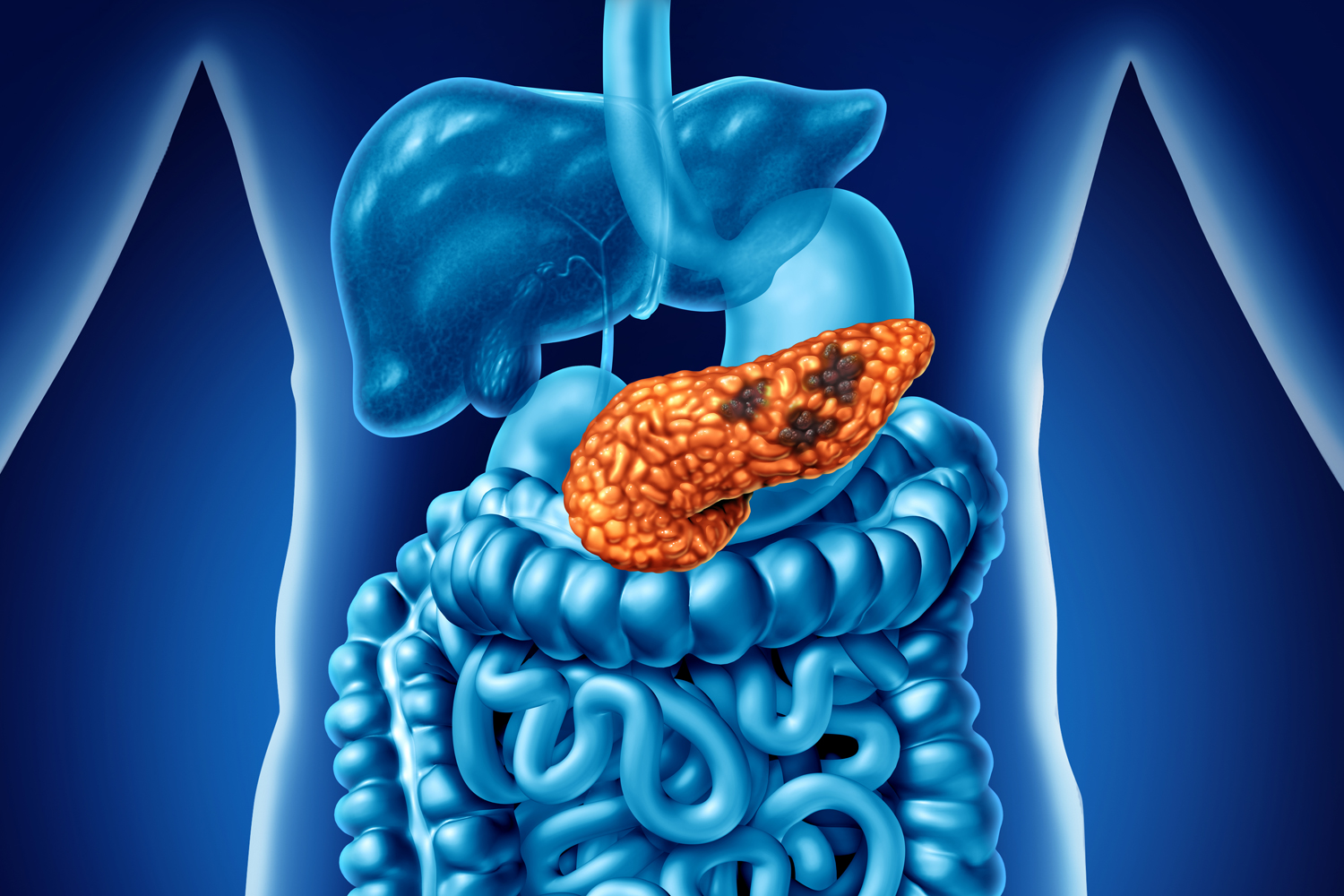
Pancreatic cancer is the 11th most commonly diagnosed cancer in the U.S. According to the Surveillance, Epidemiology, and End Results Program, an estimated 67,530 new cases will be diagnosed in the U.S. and 52,740 people are expected to die from the disease in 2026. The study, published May 31, 2026, in the New England Journal of Medicine, enrolled 500 people with previously treated metastatic pancreatic ductal adenocarcinoma who then received either Rasonque or standard chemotherapy. Participants remained on treatment until their disease progressed or they left the study for another reason.
People taking Rasonque lived a median of 13.2 months compared with 6.7 months for those receiving chemotherapy. Additionally, participants lived a median of 7.2 months without their disease progressing, compared with 3.6 months in the chemotherapy group. The Food and Drug Administration (FDA) approved Rasonque Aug. 26, 2026, for people with previously treated metastatic pancreatic cancer.
“The results of this trial are immediately practice changing,” says Eileen M. O’Reilly, a study lead author and a medical oncologist at Memorial Sloan Kettering Cancer Center in New York City. “It showed that targeting RAS can improve cancer control by enhancing shrinkage, extending life and improving quality of life.”
Despite the prevalence of RAS mutations, researchers struggled for decades to develop drugs that could effectively target KRAS-fueled cancers. “This study refutes the previous notion that you can’t effectively target this gene and signaling pathway,” O’Reilly says. “Further, regulatory authorities also have endorsed these significant results with an expedited FDA approval in the U.S.”
Still, Rasonque can come with side effects, including fatigue, nausea, vomiting, diarrhea and rash. Moreno experienced a severe acne rash mainly on her face, “pimples that were red and blazing,” until a dermatologist helped her develop a skin care regimen. Researchers are examining side effects with the drug and ways to help manage them. In the study, people taking Rasonque were less likely to experience severe side effects that required hospitalization and were less likely to stop the treatment due to side effects than those who received chemotherapy. “Rasonque gave me the ability to physically do things again,” Moreno says. “I’m able to keep up with Felipe.”
Doctors may prescribe Rasonque for adults with metastatic pancreatic adenocarcinoma who have received at least one systemic therapy or who are not candidates for chemotherapy. People should ask their doctor about tumor-based molecular profiling, which is recommended for advanced pancreatic cancer, O’Reilly says. She adds that blood-based tests called liquid biopsies can be a useful substitute for genetic profiling if there’s too little tumor tissue to biopsy.
Many doctors who treat people with pancreatic cancer acknowledged that Rasonque may give patients more time, but they note that cancer generally progresses on the treatment. “Targeting KRAS [is] one of the holy grails for pancreas cancer treatment, potentially giving patients months to years of additional life,” says Richard Andrew Burkhart, a surgical oncologist at the Johns Hopkins Kimmel Comprehensive Cancer Center in Baltimore who was not involved in the study.
“This is a time in pancreas cancer in which we are seeing a light at the end of the tunnel that’s brighter than it’s ever been,” Burkhart says.
Cancer Today magazine is free to cancer patients, survivors and caregivers who live in the U.S. Subscribe here to receive four issues per year.