WOMEN DIAGNOSED WITH BREAST CANCER living in rural areas of the U.S. are more likely to die from the disease than those in more urban areas—a disparity that is expected to grow in the coming decade, according to a study presented at the 19th American Association for Cancer Research (AACR) Conference on The Science of Cancer Health Disparities, held Oct. 18 to 21, 2026, in Atlanta. (The AACR publishes Cancer Today.)
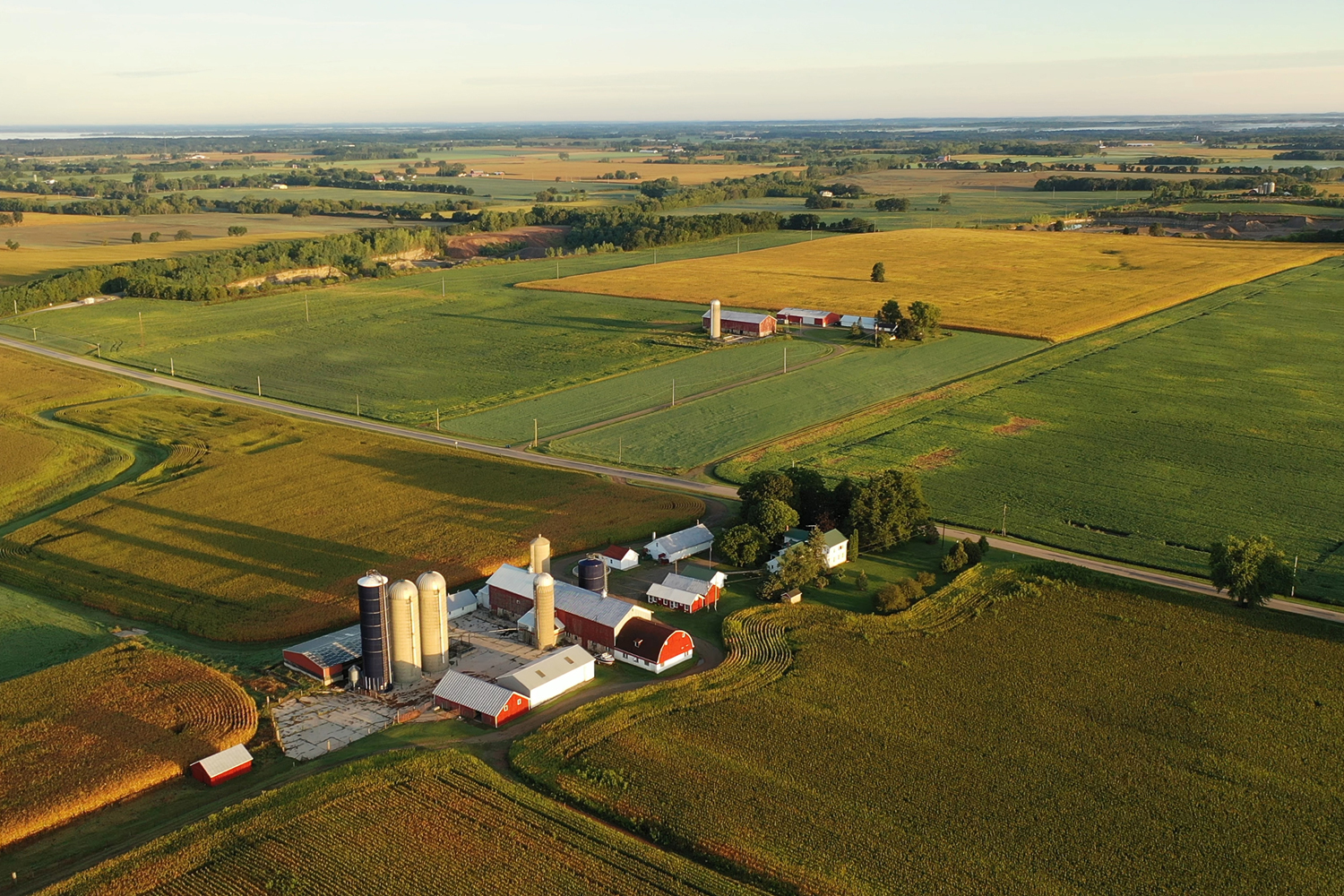
About 20% of Americans live in rural areas, often defined as counties with 50,000 or fewer residents and low population density. Research suggests living in a rural area is associated with advanced stage at diagnosis and poorer outcomes for several cancer types, including breast cancer. “Breast cancer is a major cause of cancer-related death in the United States, and patients living in rural areas face a particularly high risk of dying from the disease,” Nickolas Stabellini, a study author and cancer researcher at University Hospitals Seidman Cancer Center in Cleveland, said in a press release.
“Rural patients may have greater difficulty obtaining screening, accessing timely diagnostic testing, seeing specialists or traveling repeatedly for treatment,” Stabellini said. “These challenges may contribute to later-stage diagnosis, differences in treatment receipt and, ultimately, differences in breast cancer outcomes.”
In the study, researchers analyzed data from the Centers for Disease Control and Prevention (CDC) and the national Surveillance, Epidemiology, and End Results (SEER) program. They looked at mortality rates and socioeconomic data for women diagnosed with invasive breast cancer from 1999 to 2020.
The CDC data covered 1.16 million breast cancer deaths—189,586 in women living in rural areas and 966,859 among residents of more populated areas, all of which were considered urban in this study. Researchers found mortality rates decreased over time in both groups. However, since 2013, women in rural areas have experienced consistently higher mortality than those living in urban areas. In 2020, the mortality rate was 7% higher among women with breast cancer in rural areas than among those in urban areas. Researchers predict this disparity will continue to grow through 2035, when there will be 38 more deaths per 1 million women in rural areas compared with urban areas, according to Stabellini. “Although breast cancer mortality has declined overall in the United States, our findings underscore that this progress has not been shared equally between rural and urban communities,” he said.
Researchers also analyzed SEER data for 688,165 people with breast cancer, 10.2% of whom lived in rural counties. Compared with women in urban areas, rural women were more likely to be diagnosed with advanced breast cancer or the aggressive triple-negative subtype of the disease. Meanwhile, they were less likely to receive radiation or chemotherapy after surgery. Researchers also found women living in low-income rural counties had higher mortality than those in high-income counties.
“The disparities we observed appear to be linked, at least in part, to socioeconomic conditions, stage at diagnosis and differences in treatment,” Stabellini said. “This is important because several of these factors may be modifiable.”
Cancer Today magazine is free to cancer patients, survivors and caregivers who live in the U.S. Subscribe here to receive four issues per year.