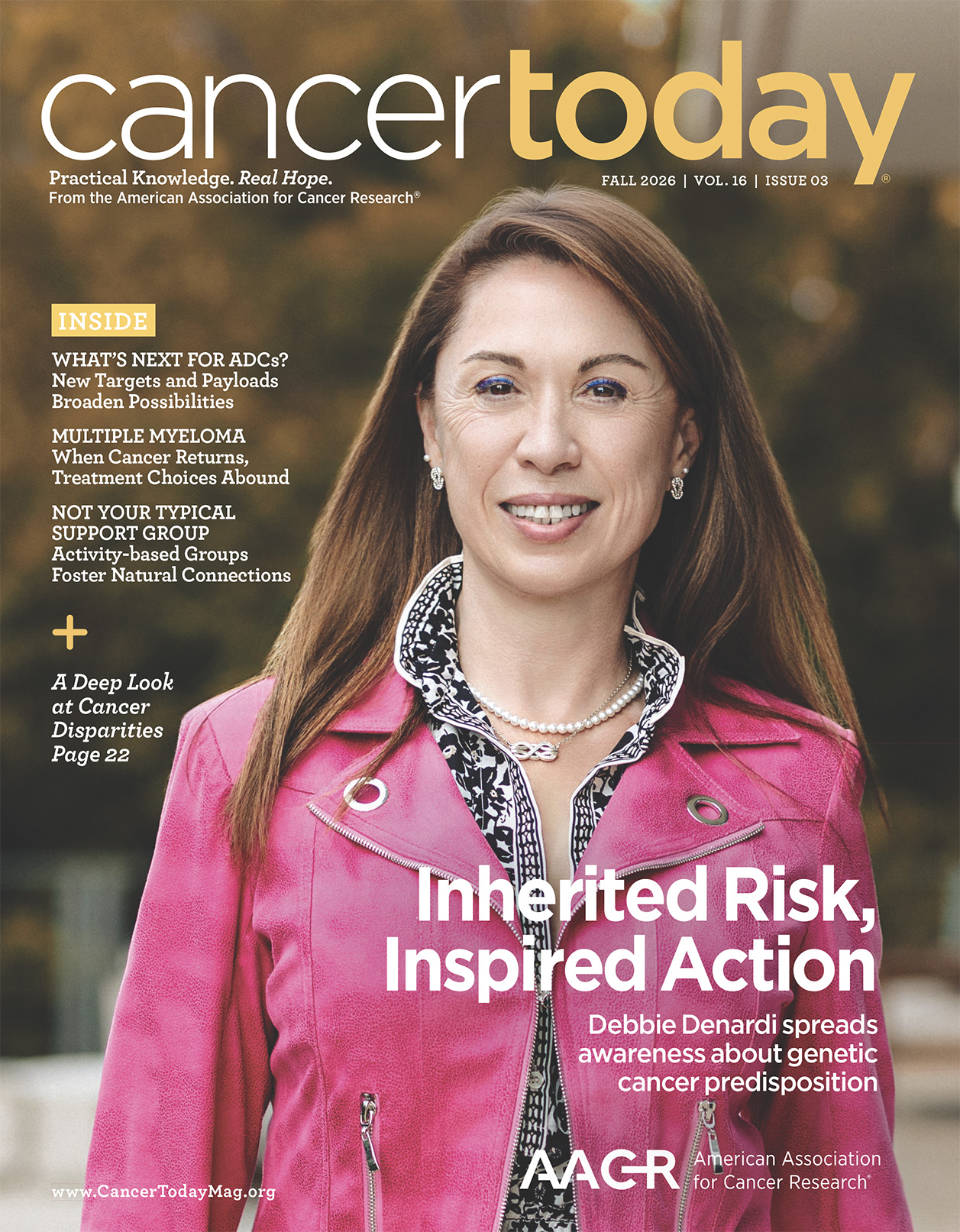
Every week, the editors of Cancer Today magazine bring you the top news for cancer patients from around the internet. Stay up to date with the latest in cancer research and care by subscribing to our e-newsletter.
Vaccine Stimulates Immune Response in People at High Risk for Pancreatic Cancer
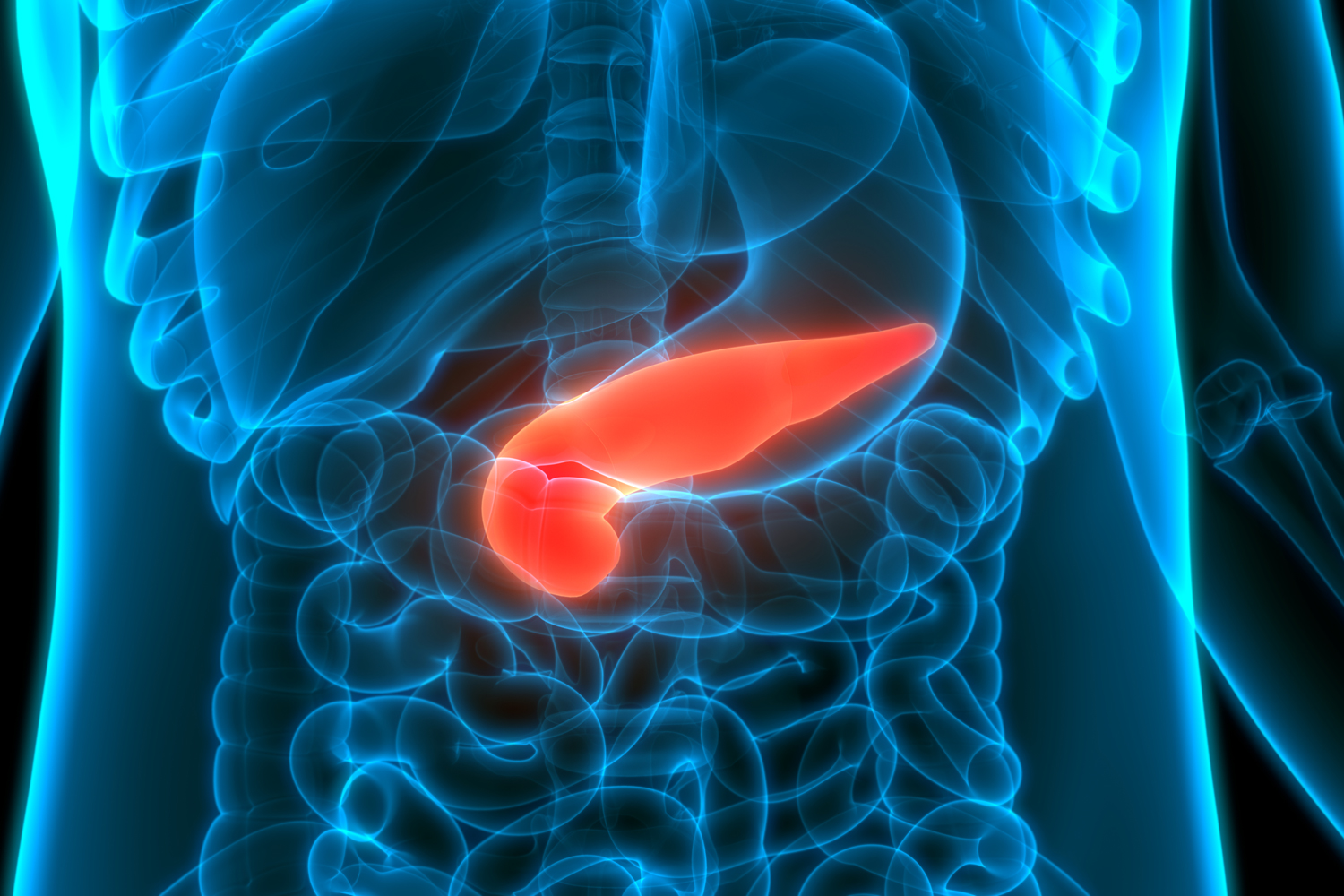
An experimental vaccine that targets mutant KRAS proteins triggered a lasting immune response in people at high risk for pancreatic cancer, according to findings from a phase I clinical trial published in Cancer Discovery. People in the study, who had a hereditary predisposition to pancreatic ductal adenocarcinoma, all had a pancreatic abnormality, with most showing small cysts on imaging. In the 20 people who participated in the study and received the vaccine, 90% of people had detectable memory T cells persisting for up to two years. Additionally, some participants’ pancreatic cysts shrank or disappeared. “What makes the immune response so powerful is that it can react when the cancer is there—or even when a precancer is there—but also develops a memory response that acts quickly if that same precancer tries to come back again,” Elizabeth M. Jaffee, a cancer researcher and oncologist at the Johns Hopkins Kimmel Cancer Center in Baltimore, told Healio.
Cancer Diagnoses After an Emergency Department Visit Associated With Increased Mortality Risk
Cancer diagnoses that follow a visit to the emergency department (ED) may correlate with higher mortality across 16 different cancer types, according to a study published in the Journal of the National Cancer Institute. The study analyzed Medicare data for 929,378 people diagnosed with 16 high-burden cancers between 2008 and 2017. Overall, 28% of people received their diagnosis after a visit to the ED, with 22% admitted to the hospital during the ED visit and 6% discharged from the ED. Researchers characterized that the patient presented with cancer in the ED if they had an ED insurance claim in the 30 days before their initial cancer claim, the ASCO Post reported. Survival rates varied based on where patients received their diagnosis. Researchers found 81% of people diagnosed outside of the ED were alive one year later, compared with 60% for outpatient ED presentations and 36% for inpatient ED presentations. People diagnosed after hospital admission during an ED visit had nearly four times higher 30-day mortality risk than those diagnosed without an ED visit. Among people who lived 90 days beyond their diagnosis, those diagnosed as inpatients in the ED had a 51% higher one-year mortality rate. Outpatient ED diagnoses also carried a 28% higher one-year mortality risk than non-ED diagnoses. “These patients, sent home from the emergency department to finish their workup, are a distinctly American phenomenon that international definitions of emergency presentation miss entirely,” Caroline Thompson, a cancer epidemiologist at UNC Lineberger Comprehensive Cancer Center in Chapel Hill, North Carolina, and the lead author of the study, told the ASCO Post. “And they were not disconnected from the health care system. Their primary care use before diagnosis looked much like patients diagnosed the standard way. So, the story is not simply that these patients avoided doctors. Opportunities to diagnose them earlier may have been missed.”
Patients Prefer to Learn About Cancer Diagnoses From Their Doctor, Not Their Health Portal
As part of efforts to comply with the 21st Century Cures Act, which requires patients have timely, unrestricted access to their electronic health information, many health care institutions release patient test results—including cancer diagnoses—via a patient portal. Findings published in JAMA Network Open suggest people prefer learning about a diagnosis from their doctors. For the study, researchers sent surveys about health portal use to 14,561 cancer patients and examined responses from 2,412 people. Most people—84%—received their cancer diagnosis directly from a health care provider before seeing results online, Healio reported. Meanwhile, 7% of people learned about their cancer diagnosis through the online portal. Among the 1,923 people who received a diagnosis from their clinician, 79% preferred maintaining this method for future communications, while 20% preferred switching to the portal. Of the 170 people who initially learned about their diagnosis via a portal, 54% preferred receiving future diagnoses through the portal, while 42% preferred direct communication from a clinician. Of the 361 people who learned they had a cancer recurrence, 67% learned about it directly from their clinician, while 27% found out through the portal. “The likelihood of patients learning about a cancer recurrence first from the portal was four times the rate of learning about an initial cancer diagnosis that way,” David E. Gerber, a medical oncologist at Simmons Comprehensive Cancer Center at UT Southwestern Medical Center in Dallas and the lead author of the study, told Healio.
Cancer Today magazine is free to cancer patients, survivors and caregivers who live in the U.S. Subscribe here to receive four issues per year.