
Every week, the editors of Cancer Today magazine bring you the top news for cancer patients from around the internet. Stay up to date with the latest in cancer research and care by subscribing to our e-newsletter.
FDA Approves Two Treatments for Rare Blood Cancers
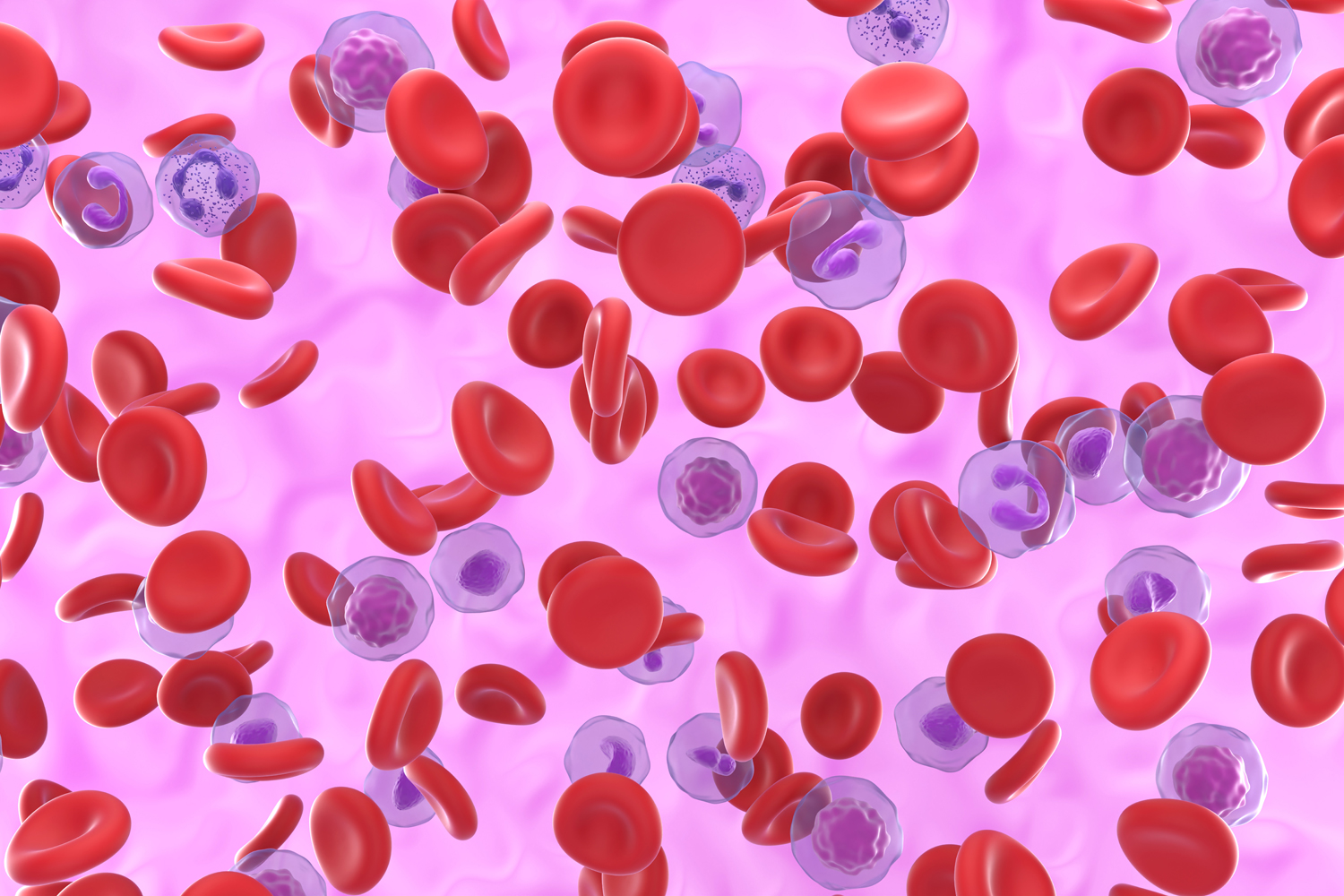
The Food and Drug Administration (FDA) has approved two medications to treat rare blood cancers that belong to a group of diseases called myeloproliferative neoplasms. The first drug, Mimrylo (rusfertide), has been approved for polycythemia vera. People with polycythemia vera produce too many red blood cells, which can thicken their blood and increase their risk of blood clots, heart attacks and strokes. If the proportion of red blood cells in their blood becomes too high, people with polycythemia vera may need to have blood removed in a procedure called phlebotomy. Mimrylo mimics hepcidin, a hormone that regulates iron in the body. By restricting the iron available to make new red blood cells, the drug can control the overproduction of red blood cells and reduce the need for phlebotomy, MedPage Today reported. Mimrylo is the first hepcidin-mimicking therapy approved to treat this disease. The FDA approval was based on results from a phase III clinical trial in which 293 people with polycythemia vera who required frequent phlebotomies received either Mimrylo or a placebo. From week 20 to week 32, 76.9% of people receiving weekly Mimrylo injections did not need a phlebotomy, compared with 32.9% of those receiving a placebo. Common side effects included injection-site reactions and low red blood cell counts. The FDA also approved the immunotherapy Besremi (ropeginterferon alfa-2b) for essential thrombocythemia. People with this disease produce too many platelets—blood cells that help form clots to stop bleeding—which can increase their risk for heart attack and stroke. Besremi targets overactive cells in the bone marrow so the body will produce fewer platelets, OncLive reported. The FDA based its approval on results from a phase III clinical trial involving 174 people with high-risk essential thrombocythemia who had not responded to or could not tolerate hydroxyurea, an oral drug used to lower platelet counts. Participants received either Besremi by injection or Agrylin (anagrelide), an oral platelet-lowering drug used as a second-line treatment for essential thrombocythemia. At both nine and 12 months, 37.4% of people receiving Besremi had a durable response—meaning they maintained improved blood counts, had no worsening of spleen enlargement, and experienced no bleeding or clotting events—compared with 3.6% of people taking Agrylin, according to the FDA. Common side effects of Besremi included high liver enzyme levels, low red blood cell counts, fever, bacterial infection, itching and weight loss.
Nearly 1 in 3 Young Women Have Never Been Screened for Cervical Cancer
A growing proportion of U.S. women reported having never been screened for cervical cancer, according to a study published in JAMA Network Open. Researchers analyzed survey responses from 106,262 women ages 21 to 65 collected from 2005 to 2023. In 2005, 12.5% of women ages 21 to 29 reported never having been screened for cervical cancer, and that figure grew to 31.9% in 2023. Among women ages 30 to 65, 5.3% had not been screened in 2005, compared with nearly 15% in 2023. If those figures hold true for the entire U.S. population, about 15.4 million women ages 21 to 65 have never received cervical cancer screening, CNN reported. Never-screening was more common in some racial and ethnic minority groups, uninsured women, those who lived in the South and women who did not have a college education. The U.S. Preventive Services Task Force recommends women ages 21 to 29 receive a Pap test every three years, while it advises women ages 30 to 65 to have a Pap test every three years, high-risk human papillomavirus (HPV) testing every five years or both tests every five years. Pap tests look for abnormal cervical cells that can become cancerous, while HPV tests look for high-risk types of the virus that cause most cervical cancers. “No one should wait for symptoms before seeking screening,” Leana Wen, an emergency physician at George Washington University in Washington, D.C., who was not involved in the study, told CNN. “Precancerous cervical changes generally do not cause symptoms; by the time cervical cancer causes symptoms such as abnormal vaginal bleeding, pelvic pain or pain during sex, the disease could be quite advanced. This is precisely why screening—and HPV vaccination—is crucial.”
Study Finds Differences in Colorectal Cancer Diagnosed at Younger Ages
Colorectal cancer in people 50 or younger who have liver metastases appears to have biological differences compared with colorectal cancer in older people, a study published in the Medical Journal of Australia suggests. Researchers analyzed Australian cancer registry data for 1,691 people with colorectal cancer that had spread to the liver. Of those patients, 276 were 50 or younger, while 1,415 were older than 50. Researchers found that people with early-onset disease were more likely to be women, have tumors originating on the left side of the colon or rectum, and have cancers with a specific mutation known as BRAF V600E than those with late-onset disease. People with early-onset cancer lived longer than those with late-onset disease, Newsweek reported. “We were pleasantly surprised that the findings of the study confirmed our long-held belief that early-onset cancers possess differences in biology and behavior compared [with] late-onset disease,” Savio George Barreto, a study author and a surgeon at Flinders Medical Centre in Bedford Park, Australia, told Newsweek. Researchers also found that tumors with BRAF or KRAS mutations were associated with poorer outcomes, regardless of a patient’s age. The authors urged oncologists to consider a patient’s disease characteristics and genetics when determining treatment options.
Cancer Today magazine is free to cancer patients, survivors and caregivers who live in the U.S. Subscribe here to receive four issues per year.